

Immune Support During Seasonal Changes
Cold air causes nasal mucus to thicken and slows down the movement of protective cilia, making it easier for pathogens to enter your system during seasonal transitions.
Sudden temperature drops often leave our biological defenses lagging behind environmental changes. This article explores how to synchronize your internal clock and nutrition to maintain immune support during seasonal changes through evidence-based habits.
Seasonal Immune Support and Biological Transitions
Winter resilience relies on Vitamin D3/K2 synergy, 15mg of Zinc, and gut health maintenance. Cold air impairs nasal mucus barriers, making temperature-driven metabolic shifts and deep sleep cycles the primary biological defenses against seasonal pathogens.
The last fact regarding nasal mucus barriers leads directly into the cellular defense mechanisms discussed in the following section.
How Temperature Shifts Affect Cellular Defense
Cold, dry air thickens nasal mucus significantly. This physical change slows down the movement of cilia. Consequently, pathogens enter the system more easily.
Metabolism shifts focus toward maintaining core body heat. This thermoregulation process consumes significant energy. Less fuel remains available for active immune surveillance. Your white blood cells might respond slower during these sudden temperature drops.
The body prioritizes survival over defense. This energy trade-off creates a temporary window of vulnerability. Understanding this biological hierarchy helps in planning better protective measures.
The Circadian Rhythm and Seasonal Light Cycles
Melatonin production increases with longer nights. This hormone directement influences immune signaling molecules. It helps regulate the inflammatory response during rest.
Shorter days disrupt the natural sleep-wake cycle. This disruption hinders the body's ability to recover from daily environmental stressors.
Reduced UV exposure weakens the skin's local immune response. Vitamin D synthesis drops significantly without direct sunlight. This absence affects how the body identifies and neutralizes early-stage threats.
Maintaining a consistent light schedule is vital. It keeps the biological clock synchronized with seasonal environmental changes.
Recognizing Signs of a Struggling Immune System
Persistent fatigue is a major physical marker. Slow healing times for minor cuts also signal trouble. Your body is likely struggling to allocate resources effectively.
Normal adaptation feels like a temporary dip in energy. Immune depletion feels like a heavy, unending weight. Frequent minor infections suggest your defenses are spread too thin. You must distinguish between seasonal sluggishness and true systemic exhaustion.
Catching every cold in the office isn't normal. It indicates a clear need for lifestyle shifts. Addressing these early signs prevents more serious health setbacks later.

Nutritional Pillars for Environmental Resilience
Understanding these biological shifts is only half the battle; the other half is fueling the body with the right compounds to withstand them.
The Synergy Between Vitamin D3 and K2
Vitamin K2 acts as a biological traffic controller. It directs calcium toward the bones and teeth. This prevents dangerous buildup in soft tissues like arteries.
D3 increases calcium absorption significantly. Without K2, this calcium can settle in the wrong places. Long-term winter supplementation requires this specific pairing for safety. It ensures systemic balance while boosting your internal defenses against seasonal bugs.
Optimal ratios vary by individual needs. Generally, a balanced intake maintains healthy calcium levels throughout the colder months.

Check labels carefully. Ensure both vitamins are present in your daily regimen.
Zinc and Vitamin C as Frontline Antioxidants
Zinc is essential for T-lymphocyte development. These cells are the primary hunters of the immune system. A deficiency leads to a sluggish response to invaders.
Vitamin C protects neutrophils from oxidative damage. These front-line cells work hard during periods of high activity. They need constant antioxidant support to remain effective.
Bioflavonoïdes improve the absorption of these nutrients. They are often found in whole food sources. Combining them ensures the body utilizes every milligram of the supplement.
Don't ignore these basics. They form the core of your Immune Support During Seasonal Changes.
Protein Intake and Amino Acid Availability
Amino acids are the literal building blocks of life. They are required for antibody and enzyme production. Without enough protein, your immune system cannot manufacture new defenses. This leads to a weakened state during peak infection seasons.
Focus on protein-rich sources like bone broths or legumes. These align perfectly with cold weather dietary needs. They provide warmth and necessary nutrients simultaneously.
Glutamine supports the rapid turnover of immune cells. It fuels the intestinal lining where many defenses reside.
Insufficient intake stalls recovery. Ensure every meal contains a high-quality protein source to stay resilient.
Gut Health and the Microbiome Defense
While vitamins and minerals provide the fuel, the gut serves as the primary training ground for your immune cells.
Probiotics for Mucosal Immunity
Nearly seventy percent of immune cells live in the gut. The intestinal lining acts as a massive communication hub. It coordinates responses throughout the entire body.
Specific probiotic strains modulate systemic inflammatory markers. They help the body distinguish between harmless particles and dangerous pathogens. This prevents the system from overreacting unnecessarily. Maintaining this balance is essential for long-term health and stability.
Beneficial bacteria prevent pathogen colonization. They physically occupy space that harmful microbes might otherwise take.
Use high-quality strains. Consistency is the key to gut-based immunity.
Prebiotic Fibers and Short-Chain Fatty Acids
Gut microbes ferment fibers into butyrate. This short-chain fatty acid is a primary energy source. It fuels the cells that make up your intestinal wall.
These metabolites strengthen the intestinal barrier wall. A strong barrier prevents "leaky gut" issues. It keeps toxins and undigested food out of the bloodstream.
Fiber diversity leads to better immune cell training. Each type of fiber supports different bacterial colonies. A varied diet creates a more robust and adaptable defense system.
Eat more onions and leeks. These are excellent sources of prebiotic fuel.
Managing Seasonal Allergies Through Gut Balance
Gut diversity directly impacts histamine response levels. A balanced microbiome keeps these reactions in check. This reduces the severity of seasonal allergy symptoms significantly.
Overactive immune reactions to pollen are often tied to gut dysbiosis. When the microbiome is healthy, the body stays calm. It ignores harmless environmental triggers instead of attacking them. This leads to much better respiratory comfort during transitions.
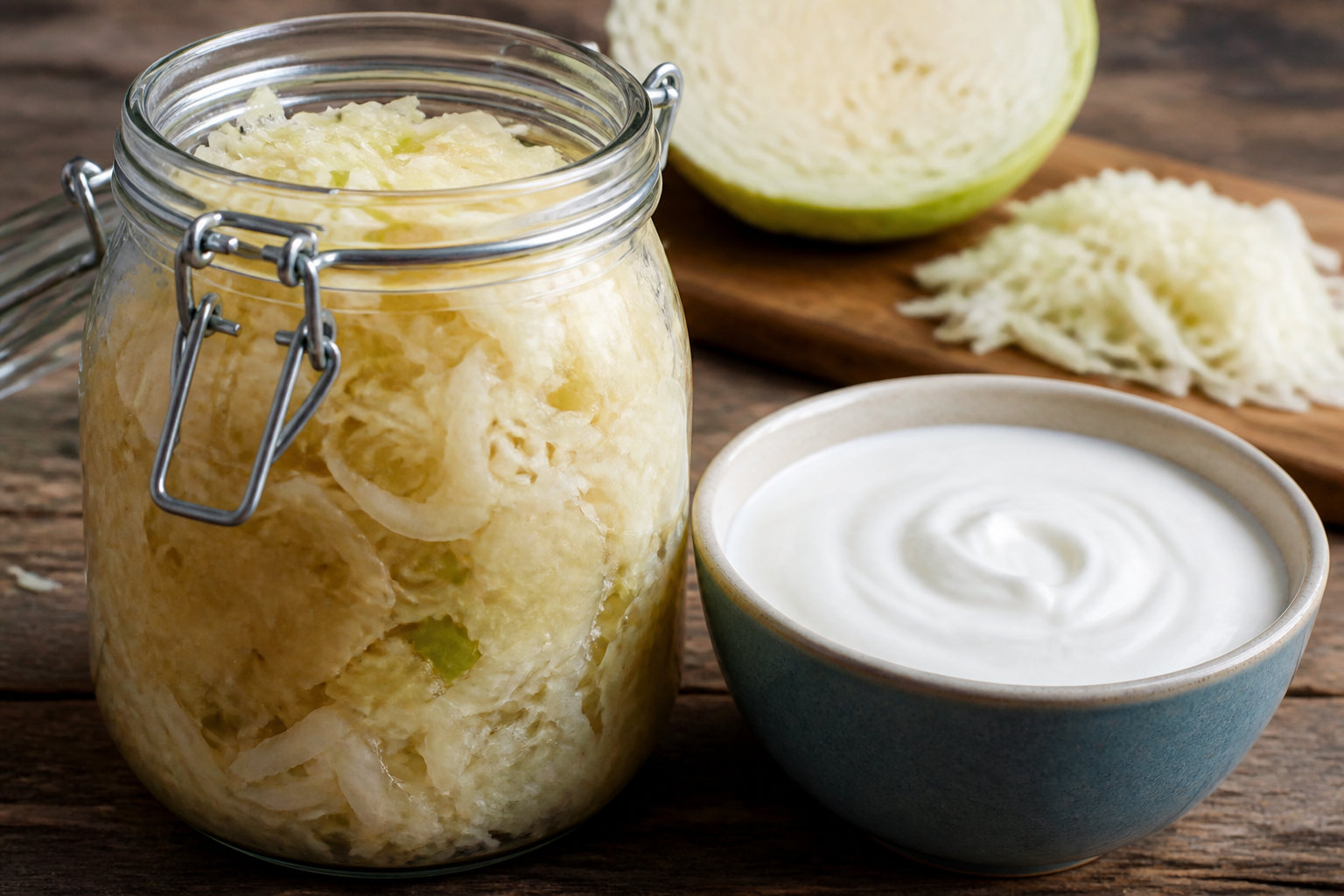
Fermented foods like sauerkraut provide natural probiotics. They help soothe the digestive tract and reduce systemic inflammation.
Focus on long-term gut health. It is your best defense against the sneezing and itchy eyes of spring.
Lifestyle Habits for Year-Round Protection
A healthy gut and a balanced diet are foundational, but your daily habits determine how well those resources are actually used. In fact, maintaining Immune Support During Seasonal Changes requires more than just nutrients; it demands a lifestyle that respects your biological rhythms.
Sleep Quality and T-Cell Production
Cytokine release peaks during deep sleep stages. These proteins are vital for cell-to-cell communication. They tell the immune system where to focus its energy.
Chronic sleep deprivation increases infection vulnerability. Without rest, the body cannot produce enough T-cells. You become an easy target for common seasonal viruses and bacteria.
Improve sleep hygiene during the winter months. Keep your bedroom cool and completely dark. Avoid blue light from screens at least an hour before bed.
Prioritize your rest. It is a non-negotiable part of staying healthy.
Physical Activity and Lymphatic Circulation
Moderate exercise improves the circulation of immune cells. It keeps them moving through the bloodstream. This allows for faster detection of potential threats.
Overtraining during major seasonal transitions is risky. It can actually suppress your immune function temporarily. Listen to your body's energy levels carefully. Balance intense workouts with restorative movement like walking or stretching.

Movement flushes toxins through the lymphatic system. Unlike the heart, the lymph needs muscle contractions to flow.
Stay active but sensible. Consistency beats intensity when the weather turns cold.
Hydration and Hygiene in Public Spaces
Thirst signals often weaken in cold weather. Heated buildings create very dry indoor air. This dries out the protective membranes in your throat and nose.
Low humidity helps airborne pathogens survive longer. It also makes them easier to transmit between people. Using a humidifier can help maintain a healthy environment. Drinking water consistently keeps your internal barriers moist and functional.
Reduce germ exposure during high-stress travel. Wash your hands frequently and avoid touching your face in public.
Carry a reusable water bottle. Staying hydrated is a simple yet powerful way to support your defenses.
Cortisol Management and Stress Resilience
Even with perfect sleep and hydration, invisible stressors can silently dismantle your immune defenses from the inside out.
The Biological Link Between Stress and Infection
High cortisol levels suppress white blood cell activity. This hormone tells the body to ignore long-term maintenance. It focuses purely on immediate, perceived survival threats.
Chronic stress creates a state of immune vulnerability. The biological mechanism is well-documented and very direct. You cannot fight off a virus while in "fight-or-flight" mode.

Mental fatigue drains your physiological defense systems. It leaves you exhausted and prone to frequent illness. Managing your mind is just as important as managing your diet.
Stress is a thief. It steals the energy your immune system needs.
Adaptogenic Support with Ashwagandha
Ashwagandha helps balance the adrenal response. It acts as a thermostat for your stress hormones. This prevents cortisol from spiking too high or staying elevated.
Adaptogens maintain a steady immune baseline during stressful times. They help the body adapt to external pressures without crashing. This long-term resilience is key for surviving busy winter schedules. They provide a gentle boost to energy and overall mood.
Consistent use yields the best results. It allows the herb to build up in your system over time.
Consult a professional first. Ensure it fits your specific health profile.
Techniques for Lowering Cortisol During Transitions
Practical breathing techniques work almost instantly. Mindfulness reduces the physiological impact of a bad day. These small habits protect your immune system from daily wear.
Relaxation has an immediate impact on secretory IgA levels. This antibody is your first line of defense in the mouth and gut. By staying calm, you literally strengthen your physical barriers. It is a powerful tool that costs nothing.
Spending time in nature modulates immune function. Even a short walk in a park can lower cortisol levels.
Find what works for you. Whether it is meditation or reading, make time for it every single day.
Evidence-Based Botanicals and Daily Integration
When lifestyle and nutrition need an extra boost, specific botanicals offer targeted support to keep your respiratory system clear.
Elderberry and Andrographis for Respiratory Health
Elderberry shows strong clinical evidence for reducing symptoms. It can shorten the duration of common winter colds. This makes it a staple for many natural medicine cabinets.
Andrographis supports the upper respiratory tract effectively. It helps clear congestion and reduces throat irritation. It is often referred to as the "King of Bitters" for its potency.
Proper timing is essential for botanical usage. Take them at the very first sign of a scratchy throat. This gives your body the best chance to fight back early.
Don't wait until you're bedridden. Early intervention is the most effective strategy.
Garlic and its Sulfur-Based Compounds
Raw garlic contains a powerful compound called allicin. This substance has well-known antimicrobial properties. It helps the body neutralize a wide variety of harmful bacteria.
Crushing garlic before eating it activates the allicin. Let it sit for ten minutes for maximum potency. This simple step ensures you get the full medicinal benefits. It is a cheap and effective way to boost your daily health.

Sulfur compounds support the body's natural detoxification pathways. They help the liver process and remove environmental toxins.
Use it fresh whenever possible. Powdered versions are rarely as effective as the real thing.
Safe Supplementation Routines and Travel Tips
Integrate supplements into a consistent daily routine. Take fat-soluble vitamins like D3 with a meal. This ensures your body can actually absorb and use them.
Air travel and peak stress require extra precautions. Stay hydrated and consider a temporary boost in Zinc or Vitamin C. These small adjustments help you maintain health during high-risk periods. Always prioritize quality control when selecting your herbal extracts.
| Nutrient | Recommended Daily Dose | Primary Winter Benefit | Best Food Source |
|---|---|---|---|
| Vitamin D3 | 2000 IU | Immune modulation and respiratory health | Fatty fish |
| Vitamin C | 500-1000 mg | Antioxidant protection and cell support | Citrus fruits |
| Zinc | 15-30 mg | Cellular repair and barrier protection | Oysters or seeds |
| Magnesium | 300-400 mg | Stress management and digestion | Leafy greens |
| Probiotics | 10-20 Billion CFU | Gut-based immunity and nutrient absorption | Yogurt or Kefir |
| Omega-3 | 1000 mg | Inflammation regulation and heart health | Fatty fish |
To provide a quick-reference guide for the most effective winter supplements, follow these core habits for Immune Support During Seasonal Changes.
- Wash hands frequently
- Stay hydrated on planes
- Use a saline nasal spray
- Prioritize sleep before trips
Mastering seasonal wellness requires a synergy of Vitamin D3, Zinc, and gut health maintenance. By balancing cortisol through adaptogens and prioritizing restorative sleep, you ensure lasting biological resilience. Act now to fortify your defenses and embrace the upcoming transition with vital energy and strength.
FAQ
Does cold weather directly cause the common cold?
Contrary to popular belief, cold temperatures alone do not make you sick. Viruses are the actual culprits; however, cold and dry air can dry out your nasal passages and weaken the protective mucus barriers, making it easier for pathogens to settle in. Additionally, people tend to spend more time indoors during winter, which facilitates the spread of germs between individuals.
Can Vitamin C actually cure a seasonal cold?
Vitamin C is not a cure for the common cold, but it is a vital supporter of your immune function. Consistent intake helps protect cells from oxidative stress and supports white blood cell activity. While it won't stop a virus in its tracks, maintaining adequate levels can slightly reduce the duration and severity of symptoms when you do get under the weather.
Is it normal to get sick during seasonal transitions?
Catching a mild cold once or twice a year is actually quite normal and can be a sign that your immune system is actively responding and adapting to its environment. However, if you find yourself catching every virus that goes around, it may indicate that your defenses are spread too thin due to chronic stress, lack of sleep, or subtle nutritional gaps.
How does stress affect my ability to fight off infections?
High levels of cortisol, the primary stress hormone, can suppress white blood cell activity and tell the body to prioritize immediate survival over long-term immune maintenance. This creates a window of vulnerability. Managing stress through techniques like the 4-7-8 breathing method or using adaptogens like Ashwagandha can help keep your immune system reactive rather than over-reactive.
Why is Vitamin D3 often paired with Vitamin K2 for winter support?
Vitamin D3 is essential for immune modulation and respiratory health, especially when sunlight is scarce. It significantly increases calcium absorption, which is where K2 becomes crucial. Vitamin K2 acts as a traffic controller, directing that calcium to your bones and teeth rather than letting it accumulate in soft tissues like arteries, ensuring a safe and balanced supplement routine.
How does gut health influence my immune resilience?
Since nearly seventy percent of your immune cells reside in the gut, the microbiome acts as a primary training ground for your defenses. Beneficial bacteria help the body distinguish between harmless particles and dangerous pathogens, preventing unnecessary inflammation. A diverse diet rich in prebiotic fibers, like onions and leeks, fuels the production of short-chain fatty acids that strengthen your intestinal barrier.
What are the best ways to support my immune system while traveling?
Travel often involves dry cabin air and high-stress environments, which can dehydrate your mucosal membranes. To stay resilient, prioritize hydration, use a saline nasal spray to keep barriers moist, and ensure you are getting enough sleep before your trip. Small adjustments, such as a temporary boost in Zinc or Vitamin C, can also help maintain your health during these high-risk periods.
How can I tell if my immune system is struggling?
Persistent fatigue and slow healing times for minor cuts are common physical markers that your body is struggling to allocate resources effectively. While seasonal sluggishness is common, true systemic exhaustion often manifests as frequent minor infections. Recognizing these early signs allows you to implement lifestyle shifts, such as improving sleep hygiene or adjusting your protein intake, before a more serious setback occurs.