

Signs Your Immune System May Need Support
An average adult catches two to four colds per year. If you find yourself constantly battling infections or noticing that minor scratches take weeks to heal, your natural defenses might be struggling to keep pace. This persistent fatigue and slow recovery often signal that your internal protective mechanisms are overtaxed.
This article examines the physical red flags and physiological factors that indicate your immune system may need support and how to address them.
Immune System Signs And Physical Red Flags
Frequent colds (over 3 yearly), slow-healing wounds, and chronic fatigue signal impaired immunity. Stress-induced cortisol and gut dysbiosis often drive these defenses down, requiring targeted nutritional support like Vitamin D or zinc. These physical markers serve as the primary indicators for clinical evaluation.
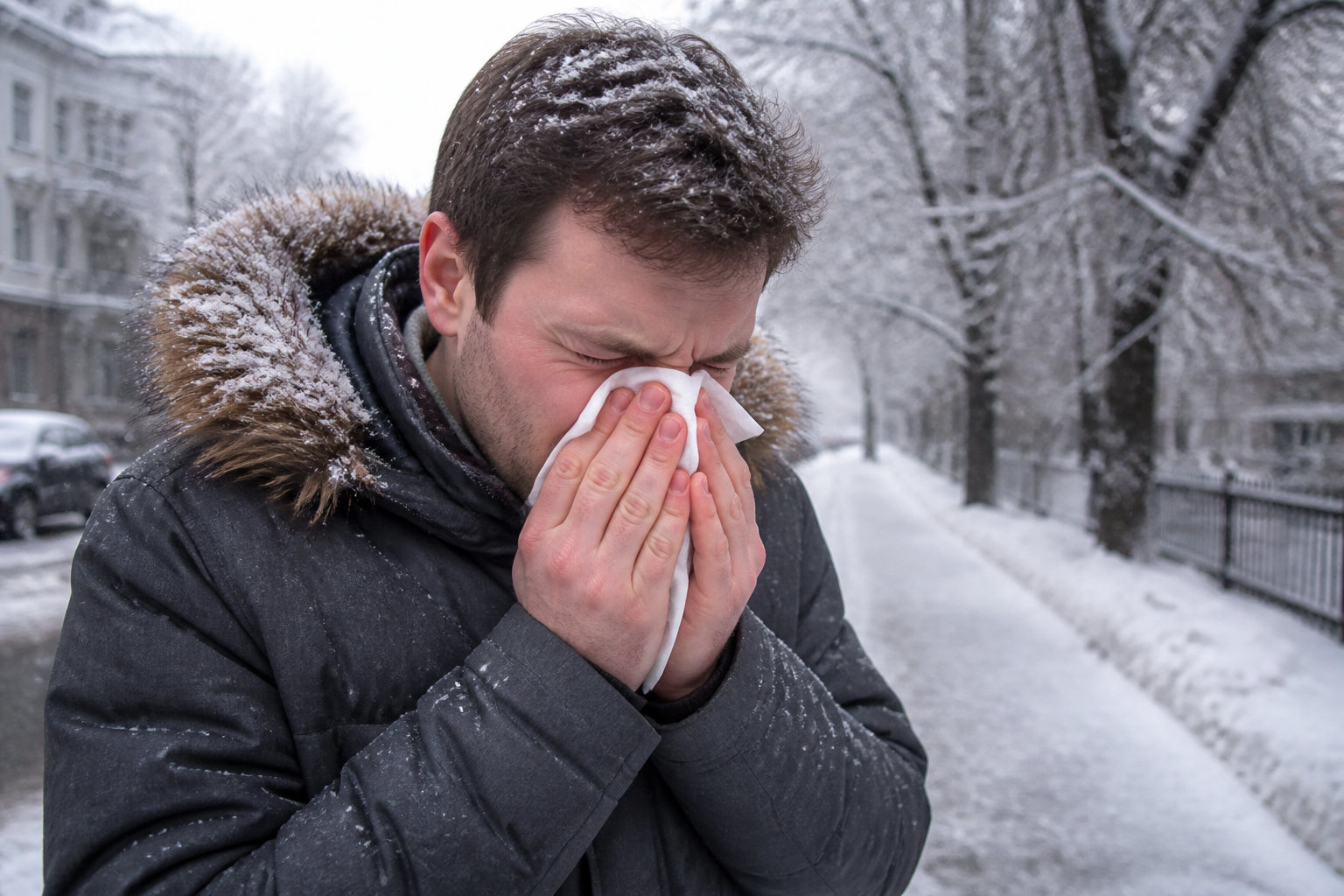
Identifying these signals early is the first step toward reclaiming your health, starting with the most obvious sign: catching every bug that goes around.
Recurrent Infections And The Never-Ending Cold
Most adults catch two to four colds annually. If you find yourself battling more than three infections every year, your primary defense line is likely struggling. Your body shouldn't be a revolving door for pathogens.
Why do some people act like germ magnets? The speed of your recovery is a vital metric. A standard cold shouldn't linger for weeks. Persistent respiratory issues often point directly to weakened mucosal immunity.
The intensity of your symptoms matters too. If every minor bug quickly turns into bronchitis, your system isn't mounting a proper initial response. It is failing to stop invaders at the gate.
Delayed Healing And Persistent Skin Flare-Ups
Skin repair and immune cells share a deep biological link. Neutrophils and macrophages must migrate to wounds quickly to start the fix. Slow closure indicates these specific cells have become sluggish or overwhelmed.
Internal struggles often manifest as external signs. Frequent cold sores or unexplained rashes surface when the body cannot suppress latent viruses. Your skin effectively mirrors the chaos happening deep inside your system.
Chronic inflammation drives many persistent skin issues. Constant redness or easy bruising signal a systemic imbalance you shouldn't ignore. In fact, your epidermis is usually the first visible warning sign of a Signs Your Immune System May Need Support.
- Scratches that won't scab
- Recurring cold sores (HSV-1)
- Frequent skin abscesses or staph infections
- patches that resist topical treatment
Physiological Factors Behind A Weakened Response
While physical signs are obvious, the internal mechanics, specifically hormonal and digestive triggers, dictate how effectively your body fights back.
The Heavy Toll Of Chronic Stress And Inflammation
Cortisol usually manages your stress response. But long-term pressure keeps levels high, which actively suppresses white blood cell production. Fewer lymphocytes mean a higher risk of infection. It is a direct biological trade-off for survival.
Acute inflammation helps you heal. However, transitioning to a chronic "high alert" state exhausts your immune resources. This leaves the body vulnerable to actual pathogens when they arrive. Your defenses simply run out of steam.

Burnout is more than a mental state. It is a physical drain on your cellular defenses. Recovery becomes harder as inflammation stays high. You might feel constantly depleted because your cells are stuck in a loop.
Gut Health As The Foundation Of Your Defenses
Did you know 70% of your immune system lives in your gut? The microbiome trains immune cells to distinguish friends from foes. A healthy flora is non-negotiable for staying well.
Bloating or gas are more than minor annoyances. These issues indicate a barrier breakdown. This allows toxins into the bloodstream, triggering systemic health problems. Your gut is your first line of defense.
Diet directly impacts your gut diversity. High sugar intake feeds the wrong bacteria, weakening the intestinal lining. A strong gut means a more resilient overall defense. Focus on what you eat to stay protected.
Medical Diagnostics And Immunodeficiency Types
Understanding the root cause requires moving beyond symptoms into the territory of clinical testing and formal classification.
Primary Versus Secondary Immunodeficiency
Primary immunodeficiency is a genetic condition usually diagnosed in childhood. These are inherent flaws in the body's blueprint. They affect how your defenses develop from birth.
Secondary immunodeficiency is an acquired state. Factors include malnutrition, aging, or specific medications. Most adults fall into this category due to lifestyle or environmental triggers.
Forget the "boosting" myth. You cannot boost a system beyond its natural capacity. You can only support it to reach its optimal functional state through proper care.
Diagnostic Tools And Blood Work Parameters
Essential blood tests provide real answers. A Complete Blood Count (CBC) is the starting point. It measures white blood cell levels. Low counts explain why you stay sick.
Antibody titers (IgG, IgA, IgM) check if you respond correctly to past infections. They provide a deeper look at adaptive immunity. This reveals if your "memory" cells work.
The doctor's role is non-negotiable. Self-diagnosis is risky. Only a professional can interpret these complex markers accurately to identify if Signs Your Immune System May Need Support are present.
| Test Name | What it Measures | Why it Matters |
|---|---|---|
| CBC | White blood cell counts. | Shows if defense forces are sufficient. |
| Antibody Panel | IgG, IgA, and IgM levels. | Checks long-term infection memory. |
| CRP | Systemic inflammation. | Detects hidden chronic stress. |
| Vitamin D | Serum pro-hormone levels. | Linked to effective immune modulation. |
Lifestyle Strategies For Sustainable Immune Support
Once the medical status is clear, the focus shifts to daily habits that reinforce your biological armor.
Nutritional Guidelines For Cellular Resilience
Focus on Zinc and Vitamin D. These are critical for T-cell activation. Without them, your immune response remains dormant even during an attack.
Discuss the impact of body weight. Adipose tissue can promote low-grade inflammation. Maintaining a healthy weight reduces the metabolic burden on your defenses.

Mention whole foods over supplements. Nutrients work better in their natural matrix. Focus on colorful vegetables and lean proteins to fuel cell production.
Environmental Factors And The Hygiene Hypothesis
Explain the hygiene hypothesis. Over-sanitizing might prevent the system from "learning." Exposure to diverse, non-pathogenic microbes is actually beneficial. It keeps the immune system sharp and calibrated.
Address the role of vaccines. They provide a safe training ground for adaptive immunity. This prevents severe outcomes from common viral threats.
Conclude with symptom tracking. Keep a log of your health patterns. This data is invaluable for your next medical visit.
- Date and duration of symptoms
- Severity of fatigue (1-10)
- List of recent antibiotic uses
- Sleep quality and stress levels during the period
Frequent illnesses, slow healing, and persistent fatigue are clear signals your body needs attention. By prioritizing gut health and managing stress, you can restore your natural resilience. Take proactive steps today to optimize your immune health and enjoy a vibrant, energized future.
FAQ
How many colds per year are considered normal for an adult?
On average, healthy adults typically experience two to four colds annually. These viral infections usually peak during the fall and winter months and should generally resolve within a week. If you find yourself catching more than three or four infections a year, it may be a sign that your immune system's primary line of defense is struggling to keep up.
Why do my wounds and scratches take so long to heal?
Slow healing is a classic physical red flag. The immune system, specifically phagocytes like neutrophils and macrophages, is responsible for clearing pathogens and stimulating tissue repair. When these cells are sluggish or the system is overwhelmed, even minor scratches may fail to scab quickly, and skin issues like cold sores or rashes may surface more frequently.
Can chronic stress actually weaken my immune response?
Yes, long-term stress has a direct physiological impact on your defenses. Chronic stress triggers the sustained release of cortisol, a hormone that actively suppresses the production of white blood cells, such as lymphocytes. This biological trade-off leaves you more vulnerable to infections and can lead to a state of persistent inflammation and burnout.
What is the difference between primary and secondary immunodeficiency?
Primary immunodeficiency is a genetic condition... secondary immunodeficiency is an acquired state It is often driven by external factors such as malnutrition, chronic stress, aging, or specific medical treatments that weaken an initially healthy system.
How does gut health affect my ability to fight off illness?
Approximately 70% of your immune system resides in the gut. A healthy microbiome is essential for training immune cells to identify and neutralize threats. Issues like bloating, gas, or a diet high in sugar can signal gut dysbiosis, which weakens the intestinal lining and compromises your overall systemic resilience.
Which blood tests can help identify an immune system issue?
To get a clear picture of your immune health, doctors often start with a Complete Blood Count (CBC) to measure white blood cell levels. Other critical diagnostics include antibody titers (IgG, IgA, IgM) to check your response to past infections, as well as testing for C-Reactive Protein (inflammation) and Vitamin D levels, which are vital for T-cell activation.
What lifestyle changes can I make to support my natural defenses?
Focusing on nutritional resilience is key; ensuring adequate intake of Zinc and Vitamin D is essential for cellular function. Additionally, managing stress, maintaining a healthy weight, and avoiding over-sanitization can help keep your system sharp. Keeping a log of symptoms, fatigue levels, and sleep quality can also provide invaluable data for your healthcare provider.