

How to Naturally Strengthen Your Immune System
Roughly 70% of your immune system is located in your gut, where beneficial bacteria constantly train your cells to recognize pathogens. When this internal balance falters, you might experience persistent fatigue, slow-healing wounds, or recurring infections that signal a struggling defense system.
This article explains how to naturally strengthen your immune system by focusing on nutrient density, gut health, and stress management to maintain a resilient biological shield. we will explore the practical habits and micronutrients needed to optimize your cellular response and ensure long term stability.
How to Strengthen Immune System Function Naturally
A balanced immune response relies on Vitamin C, D, Zinc, and Selenium, alongside 7-9 hours of sleep and gut health management. Stability, not just "boosting," prevents chronic inflammation and optimizes innate barriers, linking the concept of stability to the specific mechanics of innate and acquired systems.
Difference Between Innate and Acquired Immunity
The innate system acts as your first responder. It uses physical barriers like skin and mucous membranes. These defenses react immediately to any pathogen. However, this initial shield remains non-specific against foreign threats.
Acquired immunity develops a memory of specific invaders. It targets identified germs with precision. This ensures a faster, more effective reaction during future encounters. Your body essentially learns how to fight back better.
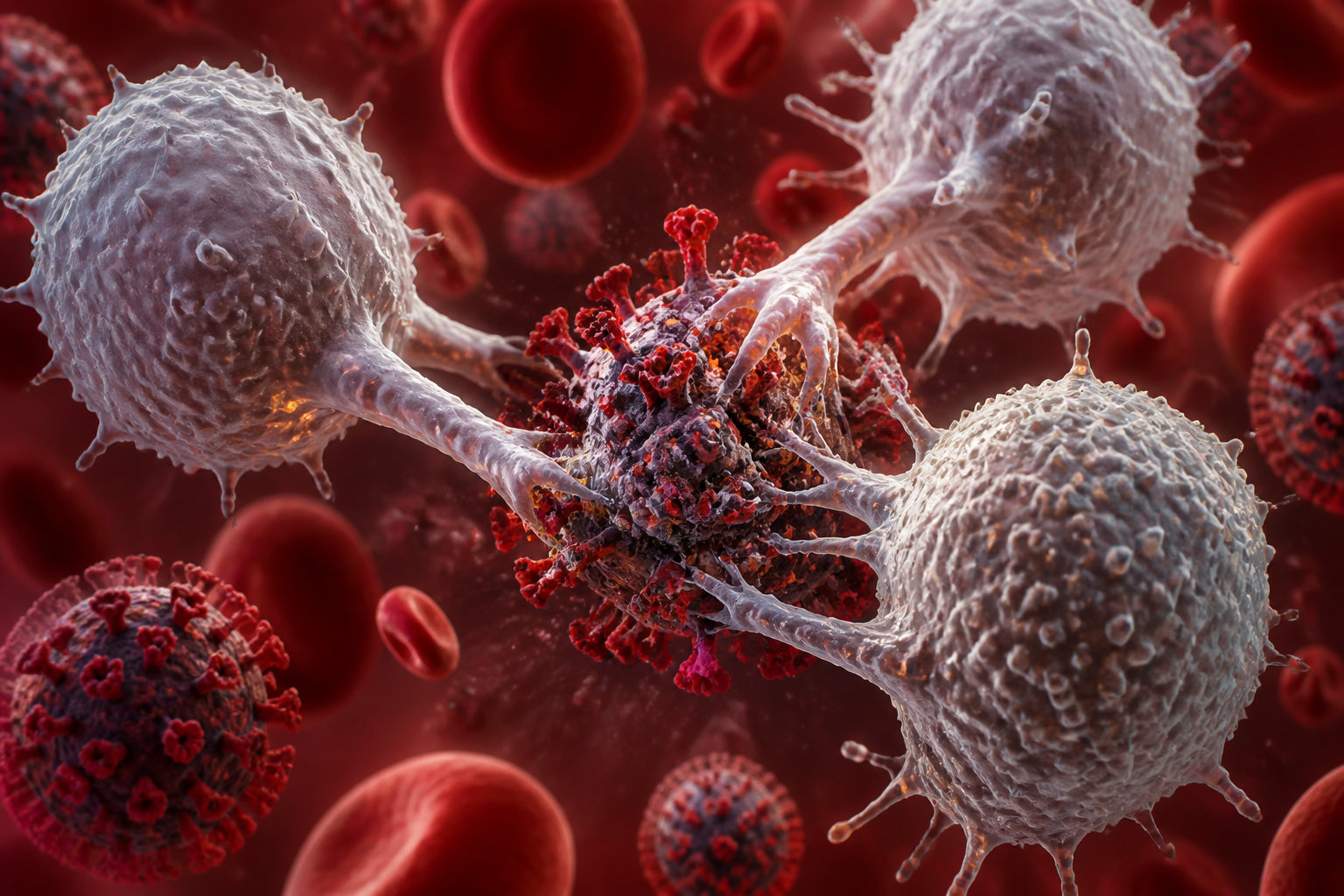
Both layers work in tandem. They provide a comprehensive shield. Together, they protect you against diverse biological environmental threats every day.
Balancing a Response vs the Myth of Boosting
Boosting is often a marketing misnomer. An overactive system can lead to autoimmune issues or chronic inflammation. The real goal is always a functional, well-regulated, and balanced state for your body.
A balanced response identifies threats accurately. It avoids attacking your own healthy tissues. This precision is far more important than simple intensity. You want an intelligent defense, not just an aggressive one.
Constant high-alert status is dangerous. Chronic activation drains your cellular resources. It leads to systemic wear. True health comes from a system that knows when to rest and when to fight.
Common Signs of a Struggling Defense System
Frequent colds or slow-healing wounds are physical indicators. Recurring infections also signal a weak response. These signs suggest your body struggles to maintain primary barriers. It cannot clear pathogens efficiently when overworked.
Persistent fatigue often links to immune exhaustion. Fighting constant low-grade threats consumes massive energy. If you feel tired despite resting, your defense system might be struggling. It is a sign of internal depletion.
Digestive issues or skin breakouts serve as secondary signals. The body prioritizes internal defense over external appearance. Efficiency drops when stress levels remain too high for too long.
5 Micronutrients That Fuel Your Cellular Defense
While understanding the system's structure is vital, providing the right raw materials is what allows these cells to function at their peak.
Vitamin C and Zinc for Barrier Integrity
Vitamin C and Zinc support the epithelial barrier. They help maintain the physical walls that keep pathogens out. Without them, the skin and membranes become more permeable to viruses.
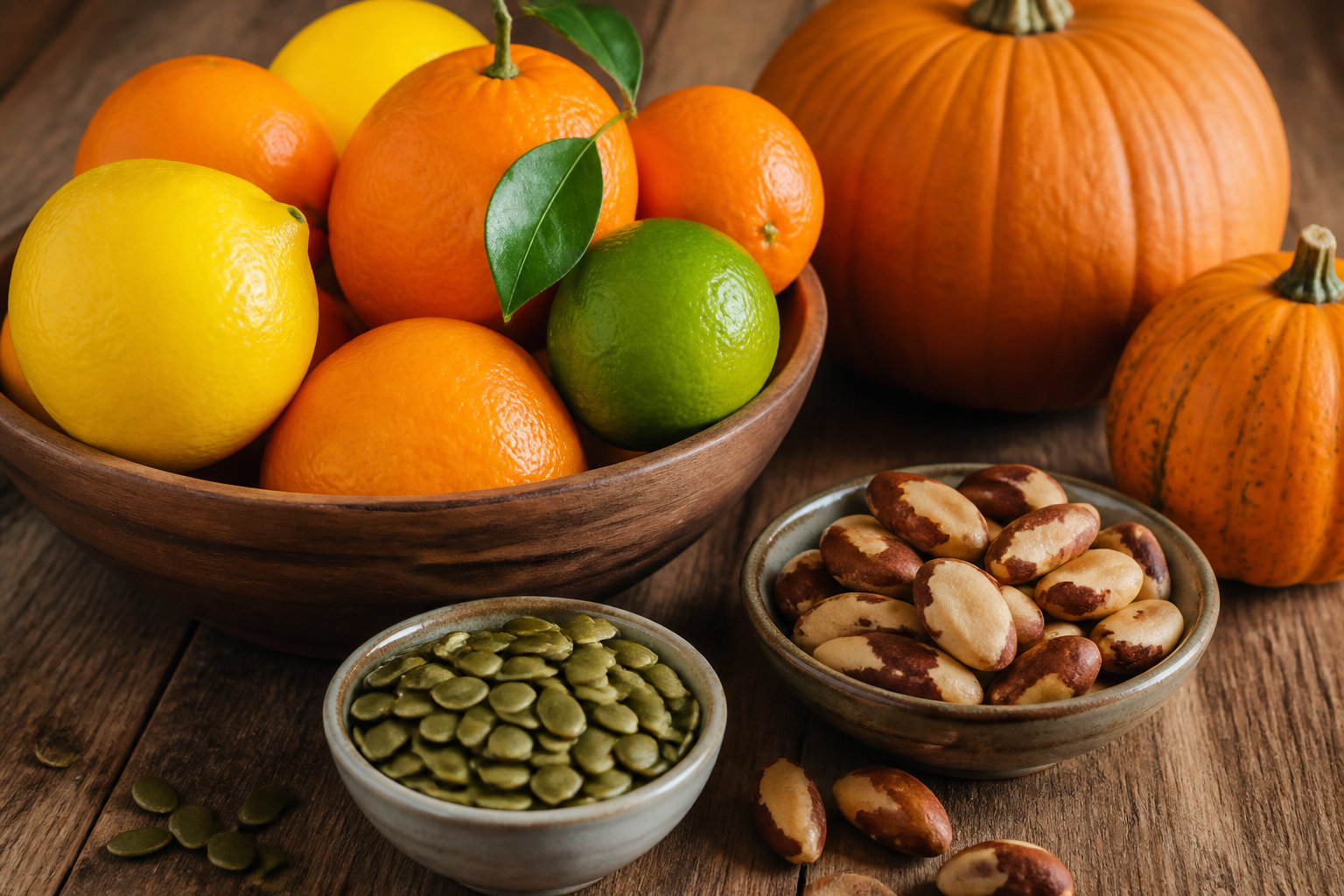
Integrating specific foods into your diet makes a massive difference for these defenses. You should prioritize:
- Citrus fruits like oranges and lemons for Vitamin C
- Pumpkin seeds, oysters, and legumes for Zinc
- Bell peppers for high antioxidant density
Zinc is also vital for DNA synthesis and cell division. Immune cells must multiply rapidly during an infection. This mineral provides the necessary chemical catalyst to ensure this process happens without errors.
Vitamin D and E as Immune Regulators
Vitamin D plays a major role in cell signaling. It acts more like a hormone than a vitamin. It helps the body distinguish between "self" and "non-self," which is vital for preventing excessive inflammatory responses.
Vitamin E functions as a fat-soluble antioxidant. It protects the integrity of cell membranes, especially in the lungs. You can find it in almonds, sunflower seeds, and various healthy oils.
Sunlight is the primary driver for Vitamin D production. Many people face deficiencies during winter months. This seasonal dip often correlates with higher infection rates.
Selenium and the Reduction of Oxidative Stress
Selenium protects white blood cells from damage. During an immune battle, the body produces oxidative byproducts. Selenium helps neutralize these harmful molecules before they can damage your own healthy cells.
Finding natural sources is simpler than you think. Brazil nuts are the most potent source available. Seafood and organ meats also provide significant amounts of this essential trace mineral.
| Micronutrient | Primary Function | Key Food Source | Daily Goal |
|---|---|---|---|
| Vitamin C | Barrier integrity | Citrus fruits | Daily intake |
| Vitamin D | Immune regulation | Sunlight | Maintain levels |
| Vitamin E | Cell protection | Almonds | Regular intake |
| Zinc | Cell division | Oysters | Trace amounts |
| Selenium | Antioxidant defense | Brazil nuts | Small doses |
Taking care of these levels is how to naturally strengthen your immune system without relying on guesswork. It is about giving your biology the tools it actually requires.
Why Gut Health is the Foundation of Natural Defense
Nutrition provides the fuel, but the gut is the actual training ground where most of your immune cells reside and learn.
Probiotics and the Microbiome Interface
Beneficial bacteria constantly talk to your immune cells. Since 70% of your immune system lives in the gut, this dialogue is vital. These microbes train cells to recognize harmful pathogens effectively.
Fermented foods make a massive difference. Yogurt, kefir, sauerkraut, and kimchi introduce live cultures daily. These additions strengthen microbial diversity, which directly correlates with a more resilient and responsive systemic health.
A healthy microbiome also prevents "leaky gut" issues. This condition otherwise allows toxins to enter your bloodstream. Strong bacterial colonies act as a secondary barrier that supports the intestinal wall's overall integrity.
Prebiotic Fibers as Fuel for Good Bacteria
You must eat whole grains and vegetables to nourish your microbiome. Garlic, onions, leeks, and asparagus are excellent choices. These fibers are indigestible by humans but serve as the primary food source for your beneficial gut bacteria.
The fermentation process is where the magic happens. When bacteria consume these fibers, they produce short-chain fatty acids. These compounds reduce inflammation in the colon and support the energy needs of the intestinal lining.
Variety in plant intake is the secret. Different microbes prefer different types of fiber. Eating a wide range of vegetables ensures a more robust and diverse bacterial ecosystem.
Seasonal Eating for a Resilient Digestive Tract
Aligning food choices with local harvest cycles. Nature often provides what we need for the specific season. Root vegetables in winter provide grounding energy and essential minerals for cold months.

Diverse plant intake offers significant benefits. Seasonal shifts force you to change your diet regularly. This natural rotation prevents nutritional boredom and exposes your gut to a wider array of phytochemicals.
Freshness is a major factor here. Locally grown, seasonal produce retains more nutrients than food shipped across the globe. Higher nutrient density means better support for your cellular defenses and overall metabolic health.
How Can Chronic Stress Suppress Your Immunity?
Even with a perfect diet, the mind can override the body's defenses through the complex pathways of the endocrine system.
Mechanisms of Cortisol Induced Suppression
High cortisol levels inhibit white blood cell production. When you are stressed, the body prioritizes immediate survival over long-term defense. It actively suppresses the lymphocytes needed to fight off viral or bacterial infections. This process weakens your natural resistance.
The fight or flight mode carries a heavy biological cost. This state increases blood sugar and heart rate while pausing immune surveillance. Staying in this mode for too long leaves you vulnerable. Your body simply cannot maintain a high-alert defense indefinitely.
Chronic stress is inherently inflammatory. While acute stress can be helpful, constant tension creates a pro-inflammatory environment. This eventually wears down the system's ability to respond. It is a slow drain on your biological resources.
Relaxation Techniques to Lower Systemic Inflammation
Reducing daily tension requires actionable methods. Deep breathing, meditation, or even a short walk in nature can work. These activities signal the nervous system to shift out of high-alert mode. It is about reclaiming your internal balance every day.
Physiological shifts occur during meditation. It lowers heart rate and reduces cortisol circulating in the blood. This shift allows the immune system to resume its normal patrol and repair functions. You are essentially giving your cells permission to heal.
To How to Naturally Strengthen Your Immune System, try these specific routines:
- Box breathing for 4 minutes
- Progressive muscle relaxation before bed
- Daily gratitude journaling to lower psychological load
- Mindful walking without digital distractions
The Link Between Mental Health and Physical Resilience
A positive outlook influences biological markers. Research shows that social connection and emotional stability correlate with higher antibody production. Your mental state directly talks to your immune cells. This dialogue determines how well you resist external threats.
A feedback loop exists between the brain and the thymus. The brain sends signals that regulate the maturation of T-cells. A calm mind supports a more efficient "education" of these vital defense units. Stability in the mind translates to precision in the blood.
Mental health is not separate from physical health. Treating stress is as important as eating vegetables. A holistic approach ensures that your biological barriers remain strong against external pathogens and internal decay. You cannot ignore the mind and expect a resilient body.

Daily Habits That Maintain a Functional Response
Beyond managing stress, the simple rhythm of your daily life dictates how well your body can repair itself overnight.
Sleep Quality and Cytokine Production
Deep sleep triggers the release of protective proteins called cytokines. These proteins are produced and released during slow-wave sleep. They are essential for targeting infections and reducing inflammation throughout the body.
Chronic sleep deprivation carries heavy risks. Losing even a few hours significantly drops your natural killer cell count. This makes you much more likely to catch a cold after viral exposure.
Keep your room cool and dark for better rest. Avoid screens for at least an hour before bed. Consistency in your wake-up time helps regulate your internal biological clock effectively.
Physical Activity and White Blood Cell Circulation
Regular movement helps immune cells patrol your body efficiently. Exercise increases blood and lymph flow. This allows white blood cells to circulate rapidly and detect potential threats earlier than in a sedentary state.
Don't fall into the trap of overtraining. Intense, prolonged exercise without rest can suppress immune function temporarily. Balance is key. Aim for moderate activity like brisk walking or cycling instead.
The "open window" theory suggests vulnerability after extreme exertion. Proper recovery and nutrition are essential to close this window quickly.
Hydration and Mucous Membrane Protection
Water is vital for maintaining respiratory barriers. Mucus needs moisture to trap pathogens effectively. When you are dehydrated, these membranes dry out, making it easier for viruses to enter.
Fluids help flush toxins through the lymph system. Lymph is largely composed of water. It carries waste products and destroyed germs away from tissues to be filtered and removed.
To keep your defenses sharp and How to Naturally Strengthen Your Immune System, follow these simple hydration steps:
- Drink 2-3 liters of filtered water daily
- Include herbal teas for added antioxidants
- Eat hydrating foods like cucumber and watermelon
- Monitor urine color as a hydration gauge

3 Common Myths About Quick Fix Immune Boosters
While habits and nutrition form the core, we must also clear away the popular misconceptions that often lead to wasted effort.
Superfoods vs Nutrient Dense Whole Diets
Forget the idea that one specific food fixes a poor diet. There is no magic berry or powder. Health is built on the cumulative effect of your entire dietary pattern.
Nutrients work better together than in isolation. Synergy is the real secret here. For example, healthy fats help you absorb the Vitamin D found in other foods you eat.
Focus on nutrient density rather than marketing labels. Eat a rainbow of vegetables every day. This approach ensures you get the wide spectrum of micronutrients needed for cellular health.
Cold Exposure and the Reality of Getting Sick
Temperature alone does not cause viral infections. You need a pathogen to get sick. Being cold might stress the body slightly, but it doesn't spontaneously generate a flu virus or a cold.
Indoor confinement in winter increases pathogen spread. People stay close together in poorly ventilated spaces. This proximity, not the outdoor frost, is why illness spikes during the colder months.
Controlled cold exposure has potential benefits. Short bursts, like cold showers, might actually stimulate the immune system. This is a far cry from the myth of catching a cold.
Timeframe for Rebuilding Your System
Manage your expectations regarding lifestyle changes. You cannot reset your system in a weekend. It takes weeks of consistent sleep and nutrition to see measurable changes.
Consistency is required for real health improvements. Small, daily choices matter more. Your immune cells are constantly being replaced, so they need a steady supply of nutrients.

Building a resilient defense is a marathon, not a sprint. Be patient with your body. Focus on sustainable habits that you can maintain for years, rather than quick fixes that fail.
Prioritize consistent sleep, nutrient-dense whole foods, and stress management to maintain a functional biological shield. By adopting these daily habits, you ensure your natural defense mechanisms remain perfectly balanced and resilient. Start today to protect your vitality and secure a healthier, more energetic future.
FAQ
How can I strengthen my immune system naturally?
Supporting your immune system naturally involves a holistic approach centered on nutrient-dense foods, consistent sleep, and regular movement. Focus on a balanced diet rich in Vitamin C, Vitamin D, Zinc, and Selenium, while incorporating beneficial spices like turmeric and ginger to provide your cells with the raw materials they need for daily defense.
Beyond nutrition, lifestyle habits are crucial. Aiming for 7-9 hours of quality sleep, staying hydrated with at least 1.5 liters of water daily, and practicing stress-reduction techniques like meditation help maintain a balanced immune response.
Is it possible to "boost" my immune system quickly?
Scientifically, the goal is immune balance rather than simply "boosting." An overactive system can lead to chronic inflammation or autoimmune issues. True resilience is built over weeks of consistency, as immune cells are constantly replaced and require a steady supply of nutrients and rest to function optimally.
Avoid "quick-fix" myths like single superfoods or detoxes. Instead, focus on sustainable habits such as daily physical activity and maintaining gut health through probiotics, which provide a long-term foundation for your cellular defenses.
What are the signs that my immune system is struggling?
A weakened defense system often manifests through physical signals such as frequent colds, recurring infections, or wounds that are slow to heal. You might also experience persistent fatigue, as the body consumes massive amounts of energy trying to clear low-grade threats without success.
Secondary signs can include digestive issues or skin breakouts. Since about 70% of the immune system resides in the gut, an imbalance in your microbiome often reflects a struggle in your overall systemic immunity.
How does stress affect my natural defenses?
Chronic stress triggers high levels of cortisol, which actively inhibits the production of white blood cells. When the body remains in a "fight or flight" mode for too long, it prioritizes immediate survival over long-term immune surveillance, leaving you more vulnerable to pathogens.
To counteract this, incorporating relaxation techniques like box breathing or mindful walking is essential. These practices signal the nervous system to shift out of high-alert, allowing the immune system to resume its vital repair and patrol functions.
Can specific vitamins and minerals help prevent illness?
While no single supplement is a magic cure, certain micronutrients are essential for barrier integrity and cellular signaling. Vitamin C and Zinc help maintain the physical walls of your skin and mucous membranes, while Vitamin D acts as a regulator to help your body distinguish between harmful invaders and its own healthy tissues.
Minerals like Selenium and Magnesium also play a role in reducing oxidative stress and supporting the energy needs of immune cells. It is always best to source these from whole foods like citrus fruits, pumpkin seeds, lentils, and leafy greens for maximum synergy.
Why is gut health important for immunity?
The gut serves as the primary training ground for your immune system. Beneficial bacteria in the microbiome communicate with immune cells, teaching them how to recognize and react to harmful pathogens effectively while preventing "leaky gut" conditions.
Consuming probiotic-rich fermented foods like yogurt or sauerkraut, along with prebiotic fibers from garlic and onions, strengthens this microbial barrier. A diverse and healthy gut directly correlates with a more resilient and responsive immune system.