

Natural Ways to Support Liver Health and Metabolism
The liver filters approximately 1.5 liters of blood every minute while managing the conversion of nutrients into energy. This tireless organ serves as the primary engine for your systemic metabolic rate, yet its efficiency is often compromised by modern dietary habits.
When hepatic fat accumulation triggers insulin resistance, your body enters a cycle of metabolic dysfunction that makes weight management nearly impossible. This article explores Natural Ways to Support Liver Health and Metabolism through evidence-based lifestyle shifts and nutritional strategies to restore your internal vitality.
Liver Health Metabolism and Your Internal Engine
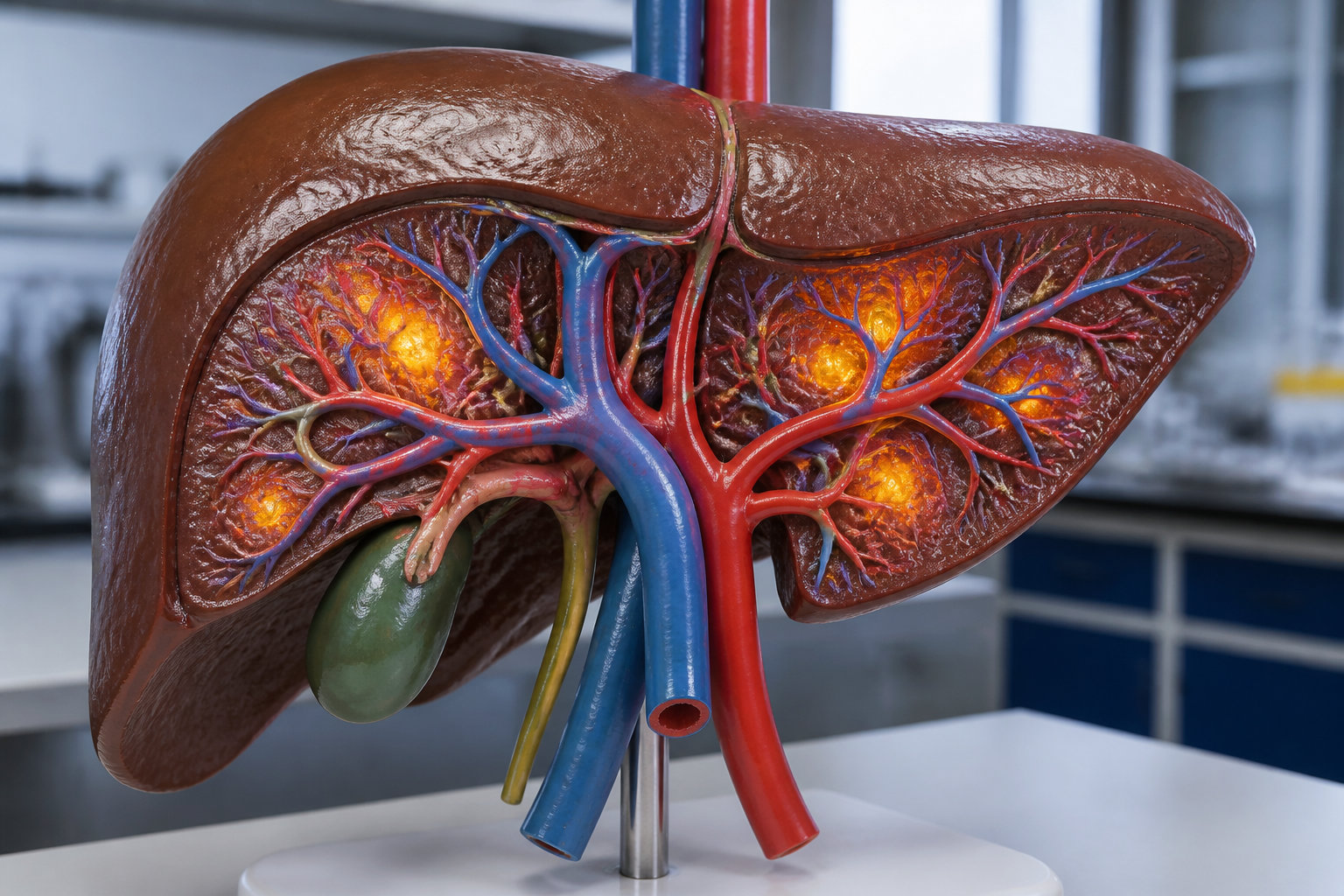
The liver regulates energy by converting glucose to glycogen and filtering toxins from 1.5 liters of blood per minute. Metabolic health relies on this hepatic efficiency to prevent systemic fat accumulation and insulin resistance. This vital organ acts as the primary gatekeeper for your energy conversion.
How the Liver Powers Your Metabolic Engine
Your liver acts as a sophisticated nutrient processing plant. It converts carbohydrates into usable glucose for immediate power. When you have extra energy, it utilizes glycogen storage to save fuel for later needs. This balance is fundamental for survival.
The filtration process is equally vital for your health. This organ cleanses the blood of metabolic byproducts and environmental toxins constantly. This internal purification keeps the systemic metabolic rate functioning at its peak performance. It never stops working for you.
These functions directly dictate your daily vitality levels. A healthy liver ensures that every cell receives clean, energy-rich fuel for daily activities. Without this efficiency, your entire system begins to lag and feel heavy.
Insulin Resistance and Hepatic Fat Storage
Insulin resistance begins when liver cells stop responding to hormonal signals. This failure disrupts the natural "glucostat" function of the organ. Consequently, the body faces elevated blood sugar levels that are difficult to manage or stabilize.
Excess glucose undergoes a dangerous transformation when storage is full. When the liver cannot store more glycogen, it turns sugar into liquid fat. Scientists call this specific metabolic process de novo lipogenesis. It is a survival mechanism gone wrong.
Fat buildup inside liver cells creates persistent inflammation. This internal sluggishness prevents the organ from effectively burning calories or processing nutrients. You then find yourself trapped in a vicious metabolic cycle that is hard to break.
Reading Your Liver Function Blood Tests
Standard blood panels focus heavily on AST and ALT enzymes. These proteins leak into the bloodstream only when liver cells suffer damage. High levels often signal hepatic inflammation or significant cellular stress that requires attention.
These markers reflect how your metabolism handles fats and sugars. They are not just indicators of disease but mirrors of your lifestyle. Consistent elevation suggests metabolic dysfunction that requires immediate lifestyle adjustments to prevent further harm.
Always consult a physician for a full diagnosis. Professional interpretation is necessary to understand these biomarkers in your specific context.
3 Stages of Liver Disease and Metabolic Decline
While understanding the liver's mechanics is vital, recognizing the progressive stages of decline helps identify when intervention is most effective.
The Road From Steatosis to Fibrosis
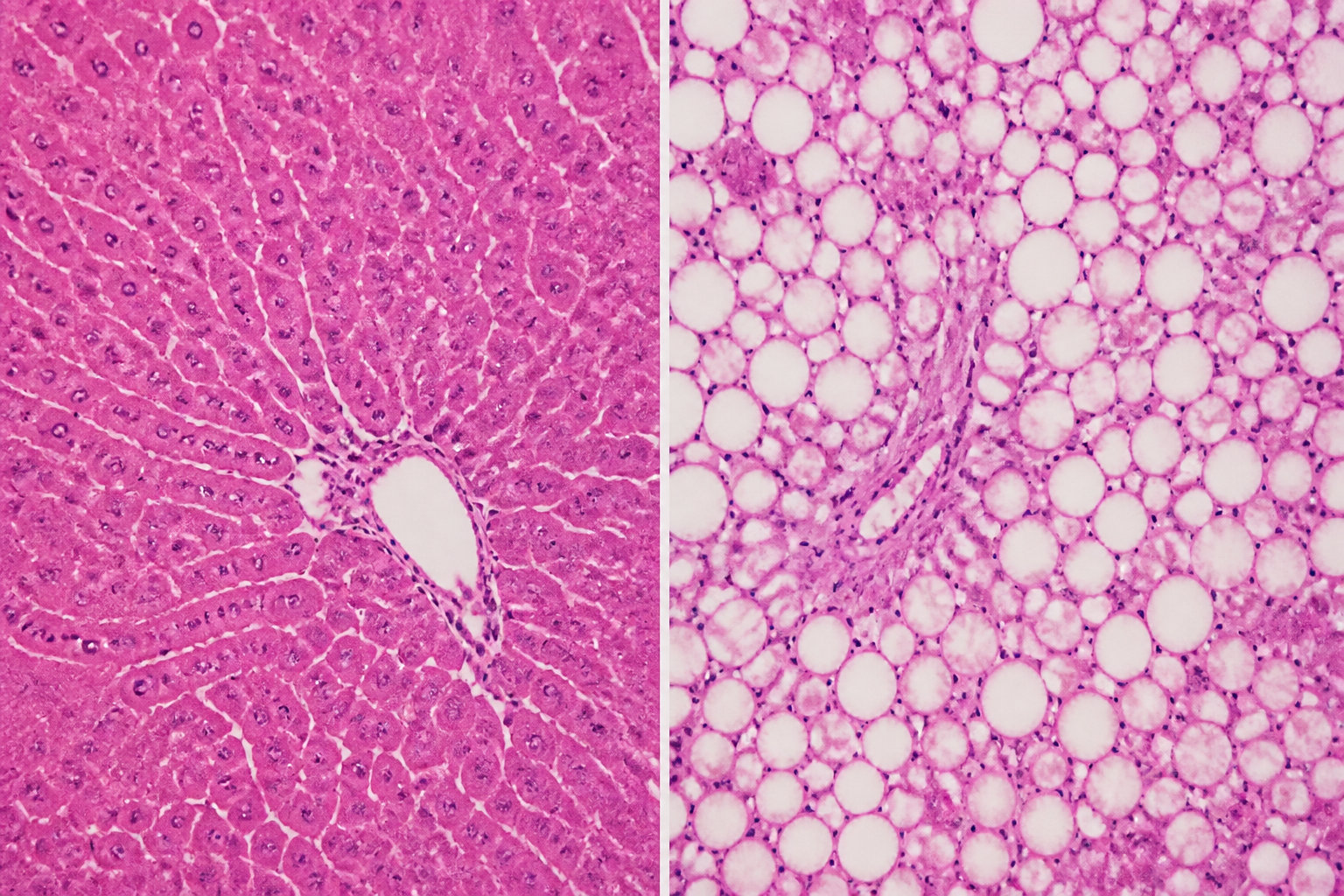
Steatosis marks the initial stage of decline. This involves simple fat accumulation within the cells without causing significant damage yet. It is often asymptomatic but serves as a major warning sign for metabolism.
The transition to fibrosis occurs when chronic inflammation triggers scar tissue development. As healthy liver tissue is replaced by scars, the organ loses its ability to filter blood and regulate energy. This hardening hampers vital functions.
Identifying the tipping point is vital. Once cirrhosis develops, reversing the damage becomes significantly more difficult for the body.
Why Liver Health Dictates Weight Loss Success
A fatty liver creates a fat-burning bottleneck. The organ prioritizes managing internal stress over burning peripheral body fat. This makes weight loss plateaus extremely common for those dealing with hepatic issues.
Hormonal disruptions also play a massive role. The liver regulates hormones like IGF-1 and manages cortisol levels. Hormonal imbalances caused by liver stress further signal the body to store fat instead of burning it.
Losing weight feels impossible when your internal engine is clogged with lipids. It simply cannot process basic nutrients efficiently while struggling with excess fat.
Cardiovascular Links and Metabolic Comorbidities
Hepatic dysfunction is directly connected to heart health. It often leads to dyslipidemia, which involves abnormal cholesterol levels. This increases the risk of plaque buildup in arteries and potential cardiovascular events over time.
Type 2 diabetes is another major concern. Liver fat and insulin resistance are two sides of the same metabolic coin, often occurring together.
Adopting Natural Ways to Support Liver Health and Metabolism is about holistic management. Treating the liver helps stabilize blood sugar and protects the cardiovascular system.
Reversing Hepatic Fat Through Targeted Lifestyle Shifts
Reversing this decline isn't about magic pills but specific, evidence-based changes to your daily habits and nutrition.
The 5-10 Percent Weight Loss Milestone
Clinical targets are clearer than you might think. Research confirms losing just 5% of your body weight significantly reduces liver fat content. It is a realistic, manageable starting point for anyone.
This modest reduction triggers a vital biological shift. It signals your body to mobilize visceral fat. Interestingly, the liver is often the first organ to shed excess lipids during this initial phase.
Patience pays off with a steady timeline. Most patients observe measurable metabolic improvements within three to six months. Consistency in gradual weight reduction remains the ultimate key.
Choosing Monounsaturated Fats Over Processed Lipids
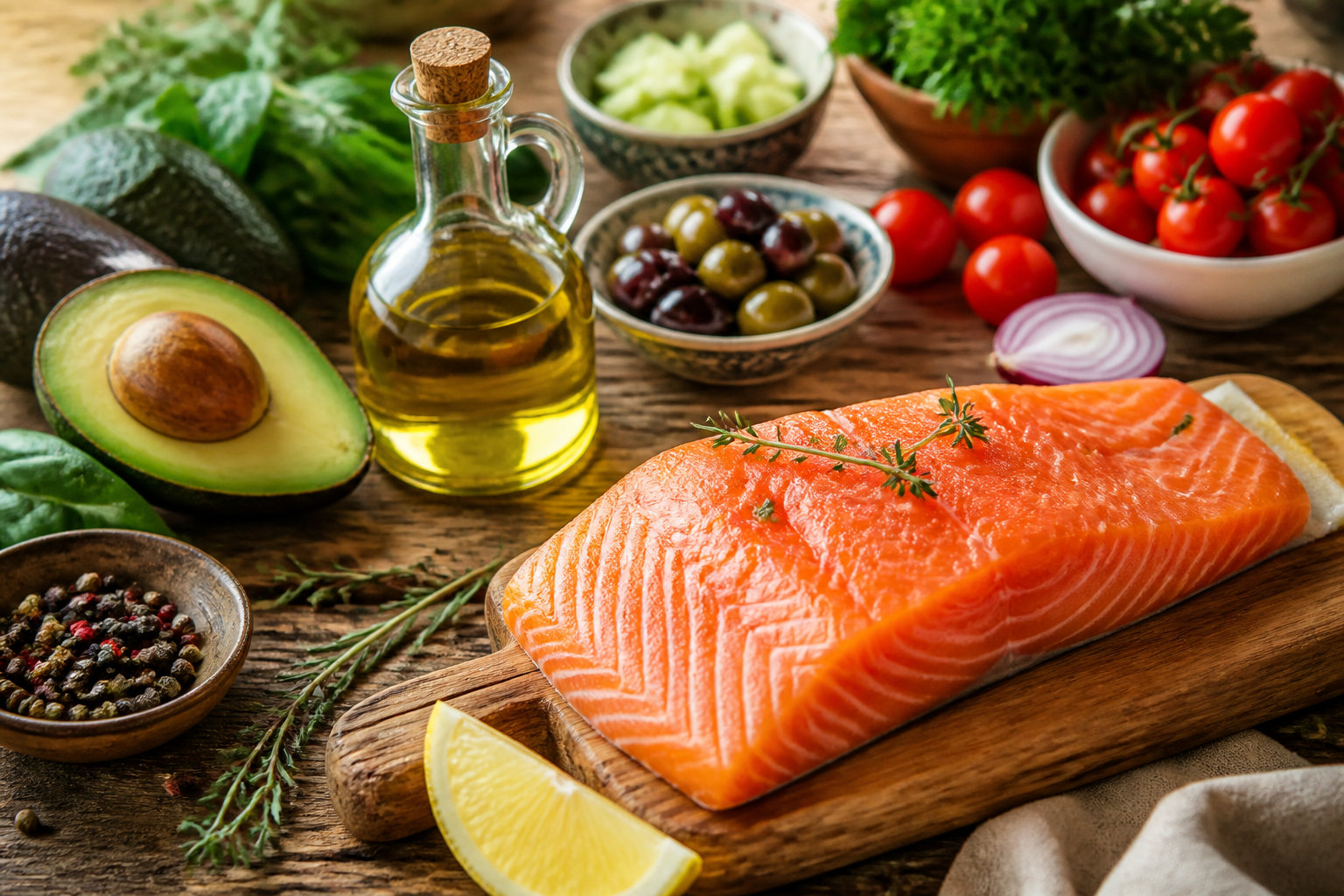
Not all fats are created equal for your cells. Saturated and trans fats actively increase hepatic inflammation and insulin resistance. But monounsaturated fats help improve liver enzyme levels and lipid profiles significantly.
- Olive oil as a primary fat source
- Avocados for healthy lipids
- Fatty fish like salmon for Omega-3s
- Walnuts and almonds for snacks
These specific dietary choices support lipid metabolism. Better fats lead to a more resilient, efficient liver.
Physical Activity as a Metabolic Reset
Your muscles are more than just for show. Skeletal muscle acts as a glucose sink, taking direct pressure off the liver. More muscle means your body processes sugar effectively even while you rest.
Finding the right movement mix is essential. A blend of resistance training and moderate aerobic activity works best. Aim for 150 minutes of weekly movement to see real results.
Exercise provides a vital, temporary spike in fat oxidation. This metabolic boost helps clear out stored hepatic lipids, keeping your internal filtration system running smoothly.
Can You Actually Detox Your Liver Naturally?
With lifestyle foundations in place, it is time to address the myths surrounding "detox" products and focus on what actually works.
Why Commercial Liver Cleanses Are Useless
The detox industry sells false promises. Most commercial cleanses lack any clinical evidence. They often rely on laxatives or diuretics. These provide a false sense of weight loss and health.
Unregulated supplements carry significant risks. These products can actually cause drug-induced liver injury. This makes the problem much worse than before.
Your liver is already a sophisticated filter. It processes toxins every single day. It just needs the right raw materials to function.
Antioxidant-Rich Foods and Hydration Strategies
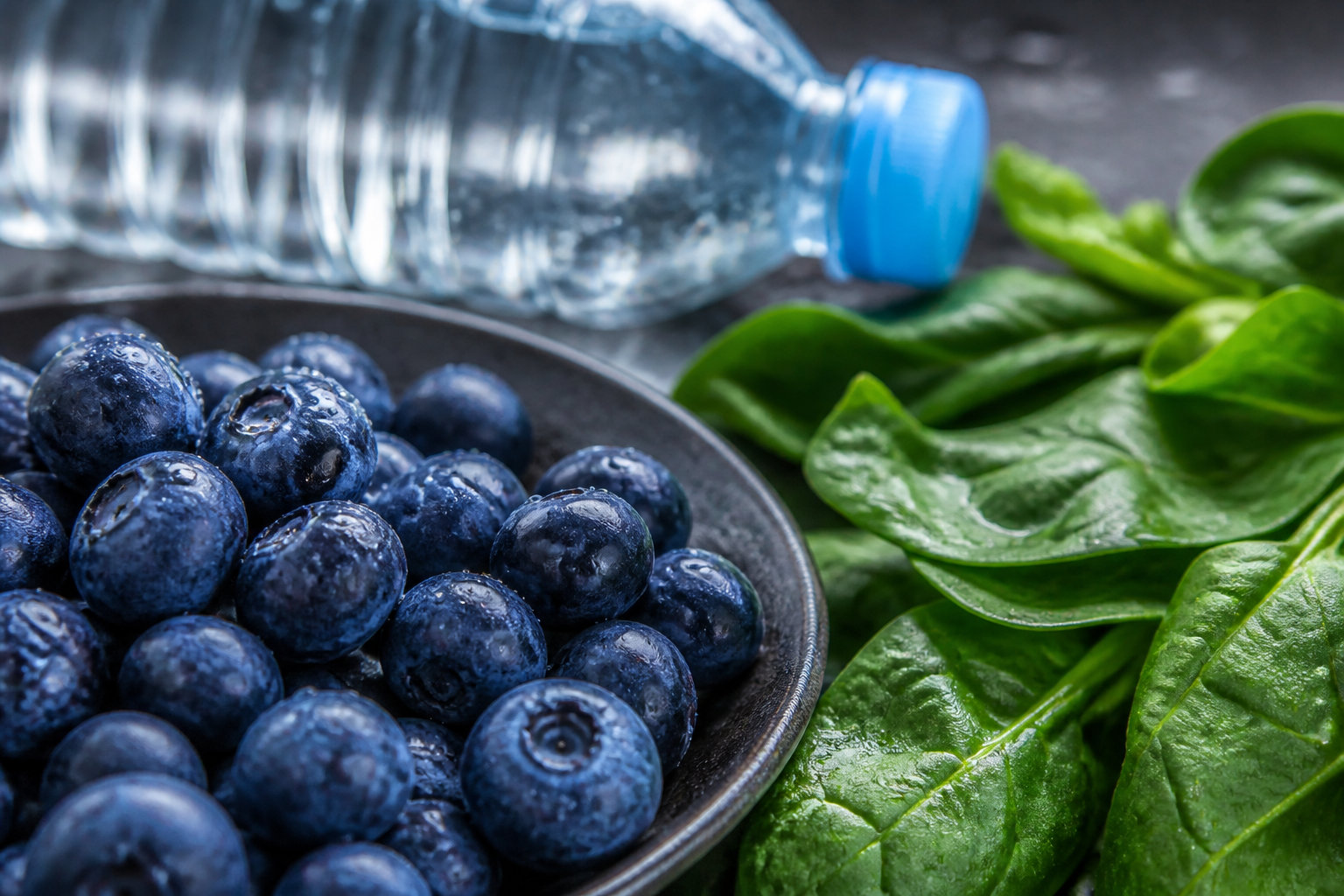
Focus on specific whole foods. Berries, cruciferous vegetables, and leafy greens provide essential phytonutrients. These compounds support the liver's Phase I and Phase II detoxification pathways.
Water is necessary for the kidneys. They flush out the waste processed by the liver. Proper hydration levels ensure that metabolic byproducts don't linger in the system.
Supplements require a cautious approach. While milk thistle and turmeric show promise, they should complement a healthy diet rather than replace it.
Practical Meal Planning for Long-Term Health
Focus on whole grains, legumes, and seasonal produce. This keeps liver-friendly eating affordable. Batch cooking helps avoid the temptation of processed convenience foods.
| Food Category | Liver Benefit | Practical Example |
|---|---|---|
| Leafy greens | Antioxidant support | Spinach, Kale |
| Whole grains | High fiber content | Oats, Quinoa |
| Lean proteins | Essential amino acids | Lentils, Tempeh |
| Healthy fats | Reduced inflammation | Walnuts, Flaxseed |
Always consult a professional before starting significant dietary changes. This is vital if you have existing health conditions or take medication.
Prioritizing weight management and nutrient-dense whole foods optimizes your internal filtration system and metabolic speed. Start by replacing saturated fats with monounsaturated oils and aim for a 5% weight loss to significantly reduce hepatic fat. Act today to transform your liver health and unlock lasting vitality.
FAQ
How does the liver influence my metabolic rate?
The liver acts as your body's primary energy regulator by managing glycogen storage and glucose conversion. It filters approximately 1.5 liters of blood per minute, ensuring that nutrients are processed efficiently while toxins are removed to maintain a peak systemic metabolic rate.
Can a fatty liver prevent me from losing weight?
Yes, hepatic fat accumulation can create a vicious metabolic cycle. When the liver is clogged with lipids, it prioritizes managing internal inflammation over burning body fat, often leading to frustrating weight loss plateaus and hormonal imbalances.
What do elevated AST and ALT levels mean for my metabolism?
High levels of these enzymes typically indicate hepatic inflammation or cellular stress. Even if they are within a "normal" range, elevated markers can be a sign of metabolic dysfunction, suggesting that your liver is struggling to process fats and sugars correctly.
How much weight do I need to lose to improve liver health?
Clinical research indicates that losing just 5% of your total body weight can significantly reduce liver fat content. Reaching a 7-10% weight loss milestone is even more impactful, as it can help improve healthy liver tissue and reduce internal scarring.
Are commercial liver detoxes and cleanses effective?
Most commercial cleanses lack clinical evidence and are not regulated by the FDA. Some unregulated supplements may even cause drug-induced liver injury; your liver is already a sophisticated filter that simply requires proper nutrition and hydration to function.
Which foods are best for supporting natural liver function?
Focus on monounsaturated fats and antioxidant-rich whole foods. Incorporating leafy greens, berries, and healthy lipids like olive oil helps support lipid metabolism and protects the organ from oxidative stress.
Does exercise help clear fat from the liver?
Physical activity serves as a vital metabolic reset. Resistance training builds muscle mass, which acts as a glucose sink, while aerobic exercise increases fat oxidation, directly helping to clear stored hepatic lipids.