

Top Vitamins and Minerals for Immunity
A single Brazil nut provides your entire daily requirement of selenium, a trace mineral that directly prevents viruses from mutating within your body. These micronutrients act as a biological shield, regulating everything from your skin's barrier function to the production of specialized white blood cells.
Most people only focus on their nutrient intake once they feel the first signs of a cold. We will explore how specific vitamins and minerals for immunity work together to build a resilient defense system before illness strikes.
How Vitamins and Minerals for Immunity Work Together
Vitamins A, C, D, E, B6, and minerals like Zinc and Selenium form the core defense against pathogens. These micronutrients regulate leukocyte production and strengthen mucosal barriers, providing essential support for both innate and adaptive immune responses.
You need to see these micronutrients as a physical shield for your cells. They actively protect your DNA and vital proteins from external viral or bacterial attacks. This defense prevents structural damage at a molecular level.
Biological Defense Mechanisms and Antioxidant Roles
Micronutrients act as a shield for cells. They protect DNA and proteins from external viral or bacterial attacks. This prevents damage to the cell's core instructions.
Antioxidants like Vitamin C and E are vital. They neutralize free radicals to prevent oxidative stress. This process keeps cellular structures intact during an active infection.
These mechanisms ensure overall cellular health. Healthy cells communicate better to trigger defense. This sets the stage for more complex immune system reactions.
Innate vs Adaptive Immune System Support
The innate system is your immediate physical barrier. It includes skin and mucus membranes. Vitamin A keeps these barriers strong and functional against invaders.
The adaptive immune system is a learned response. It creates memory against specific pathogens. Nutrients like Zinc are vital for this long-term cellular memory.
Specific vitamins bridge these two systems. They help cells transition from immediate defense to targeted attacks. This ensures a comprehensive and efficient biological response to any new threat.
White Blood Cell Production and Signaling
Leukocytes are the body's primary soldiers. They need specific fuel to multiply. Vitamin B6 and Iron are essential for this rapid growth during an attack.

Cells use chemical signaling or cytokines to coordinate. They must talk to manage an attack. Without enough minerals, these signals become weak or confused during an illness.
Effective Top Vitamins and Minerals for Immunity involve these specific roles:
- Vitamin B6 for lymphocyte production
- Iron for cell proliferation
- Zinc for signal transduction
- Copper for neutrophil function
Ensuring these nutrients are present allows your immune soldiers to communicate and multiply correctly. Without this coordination, the body remains vulnerable to persistent threats.
Vitamin A for Mucosal Barriers and Vision
While general mechanisms provide the foundation, specific nutrients like Vitamin A act as the first line of physical defense.
Vitamin A maintains your epithelial tissues. These tissues line your lungs and gut. They act as a mechanical wall against germs.
You need preformed Vitamin A from liver and provitamin A from carrots. Both forms are necessary for optimal immune health. Animal and plant sources work together.
Vision and immunity share chemical pathways. Night vision and immune cell differentiation rely on Vitamin A. Deficiency impacts both systems simultaneously.

Vitamin A is fat-soluble. Always eat your greens with a bit of healthy oil. This ensures proper absorption.
| Nutrients | Primary Food Sources | Key Immune Function |
|---|---|---|
| Vitamin A | Carrots, Liver, Butter | Barrier health and mucosal integrity |
| Vitamin C | Citrus, Peppers, Parsley | Antioxidant and white blood cell support |
| Vitamin D | Sunlight, Fatty fish, Eggs | Immune response modulation |
| Vitamin E | Nuts, Seeds, Vegetable oils | Antioxidant protection of cells |
| Vitamin B6 | Chickpeas, Whole grains, Meat | Immune cell production and activity |
Vitamin C for Antioxidant Defense and White Blood Cells
Beyond physical barriers, the body requires internal scavengers like Vitamin C to clean up the mess left by pathogens.
Vitamin C is perhaps the most famous immune supporter. It accumulates in phagocytic cells. These cells literally eat bacteria to protect you. High concentrations are needed during active stress.
This nutrient plays a role in collagen synthesis. Strong skin prevents pathogen entry. It also speeds up the healing of wounds and damaged internal tissues.
Forget the myth of high-dose prevention. Routine intake is better than a massive dose once sick. The body flushes out what it cannot use immediately.
Look for food sources beyond oranges. Bell peppers and kiwis are superior sources. Variety ensures you hit your daily targets easily.
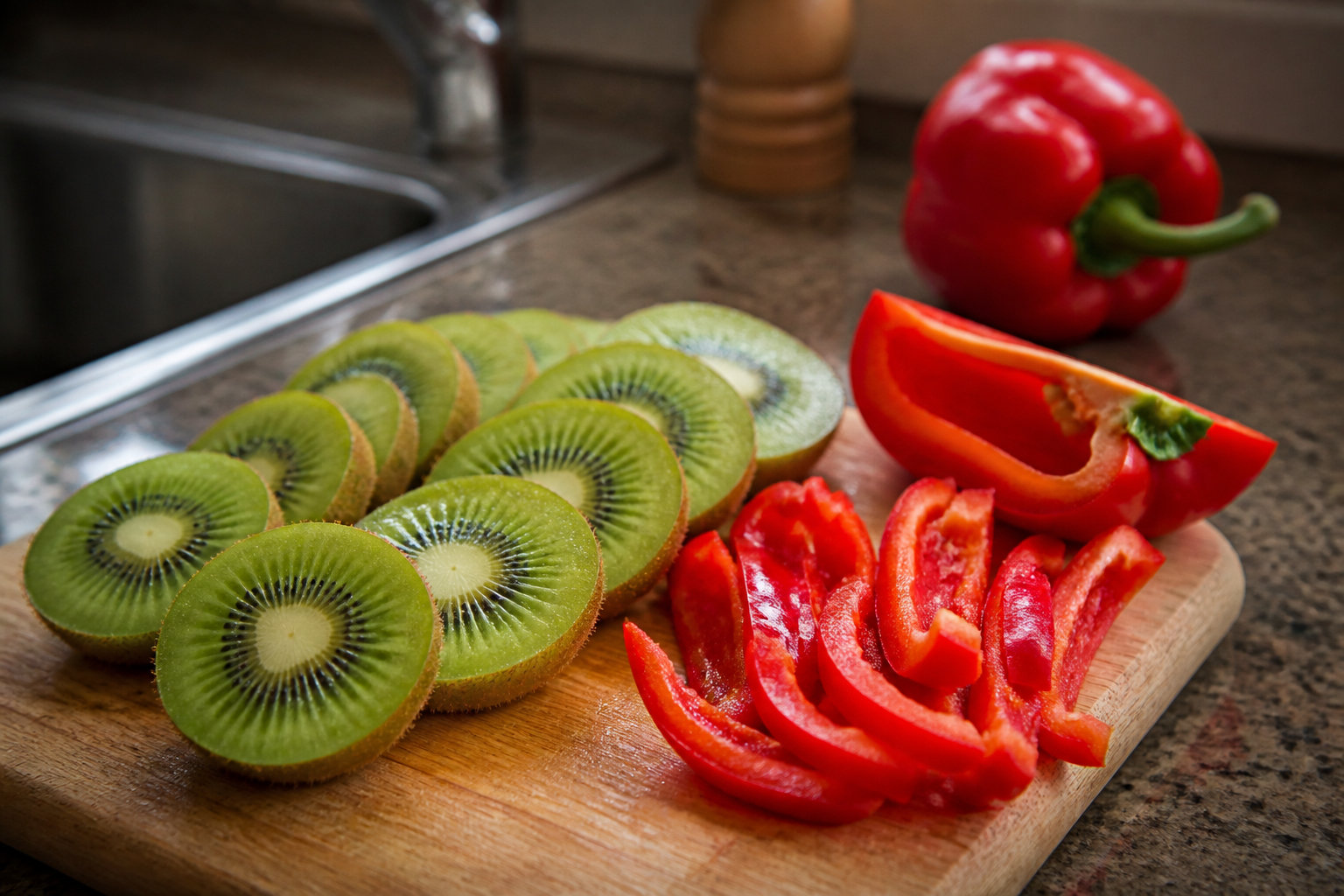
When you focus on the Top Vitamins and Minerals for Immunity, you realize Vitamin C does the heavy lifting. It acts as a shield and a repairman simultaneously. Here is how it functions at a cellular level:
- Stimulates neutrophil migration
- Enhances microbe killing
- Protects host tissue
- Regenerates other antioxidants like Vitamin E
If Vitamin C is the scavenger, Vitamin D acts as the commanding officer, regulating the entire immune response.
Vitamin D for Seasonal Immune Modulation
Vitamin D receptors are found on almost all immune cells. This vitamin modulates both innate and adaptive responses. It prevents the system from overreacting dangerously.
Sunlight is the primary source for most people. In winter, levels drop significantly, leading to higher susceptibility to respiratory infections. This seasonal drop often coincides with peak flu periods.

Many people are deficient without knowing it. Testing levels is the only way to be sure. Supplementation is often necessary in northern climates during the darker months.
Dietary sources like fatty fish and egg yolks help. However, they rarely provide enough on their own. You must balance sun exposure with careful dietary planning to stay protected.
Vitamin D helps maintain a calm immune environment by focusing on the prevention of "cytokine storms." This regulation is vital for long-term health and respiratory resilience. Getting your levels right is a simple way to support your natural defenses when the Top Vitamins and Minerals for Immunity are most needed.
Vitamin E for Protecting Cell Membranes
While Vitamin D commands, Vitamin E acts as a specialized guard for the integrity of every single cell membrane.
Vitamin E is a potent fat-soluble antioxidant. It sits within the fatty layer of cell walls. This prevents the oxidation of essential lipids during an attack.
T-cells are critical for identifying and destroying infected cells. Vitamin E helps these cells multiply and stay active as we age. This directly strengthens your immune response against pathogens.
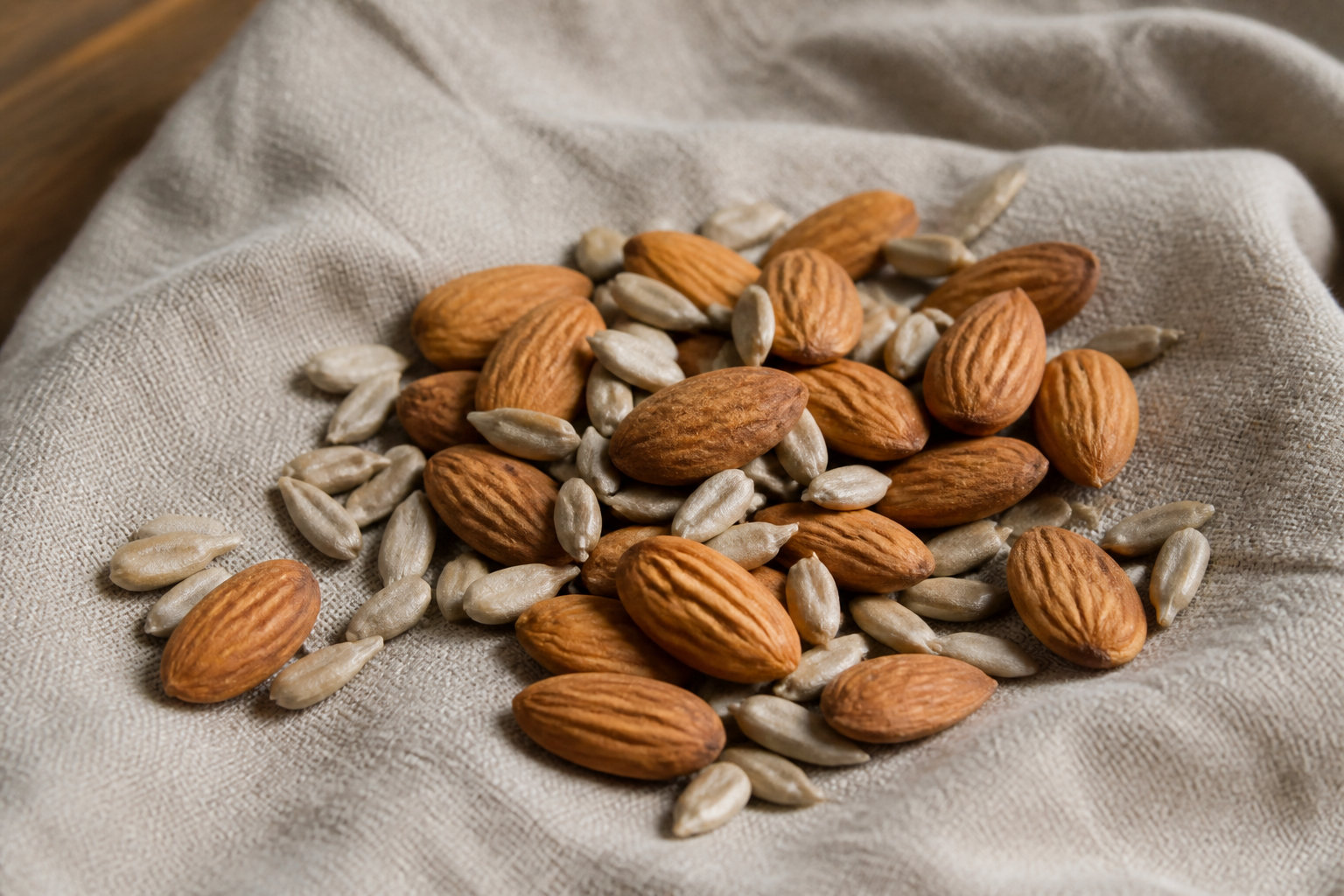
Top food sources include sunflower seeds and almonds. Vegetable oils also provide significant amounts. It is easy to get through a Mediterranean-style diet focusing on healthy fats.
Vitamin E and Vitamin C work together to recycle each other. This creates a continuous loop of antioxidant protection. They are the Top Vitamins and Minerals for Immunity when paired.
As our largest organ, skin needs Vitamin E to stay supple. This prevents cracks that could let in bacteria. Keeping this barrier intact is your first line of defense against outside threats.
Vitamin B6 for Biochemical Immune Responses
Moving from fat-soluble guards to water-soluble workers, Vitamin B6 drives the chemical reactions that power immune cells.
Vitamin B6 is involved in over 100 enzymatic reactions. It is crucial for protein metabolism. Immune cells need these proteins to build new antibodies.
This nutrient plays a major role in the production of T-cells and interleukins. These are the messengers of the immune system. Without B6, the communication between different defense branches breaks down.
Focus on sources like chickpeas, poultry, and bananas. It is widely available in many whole foods. Deficiency is rare but can lead to weakened immunity.
Heat significantly impacts B6 levels. Cooking can reduce the vitamin content in some foods. Consuming a mix of raw and cooked sources is best.
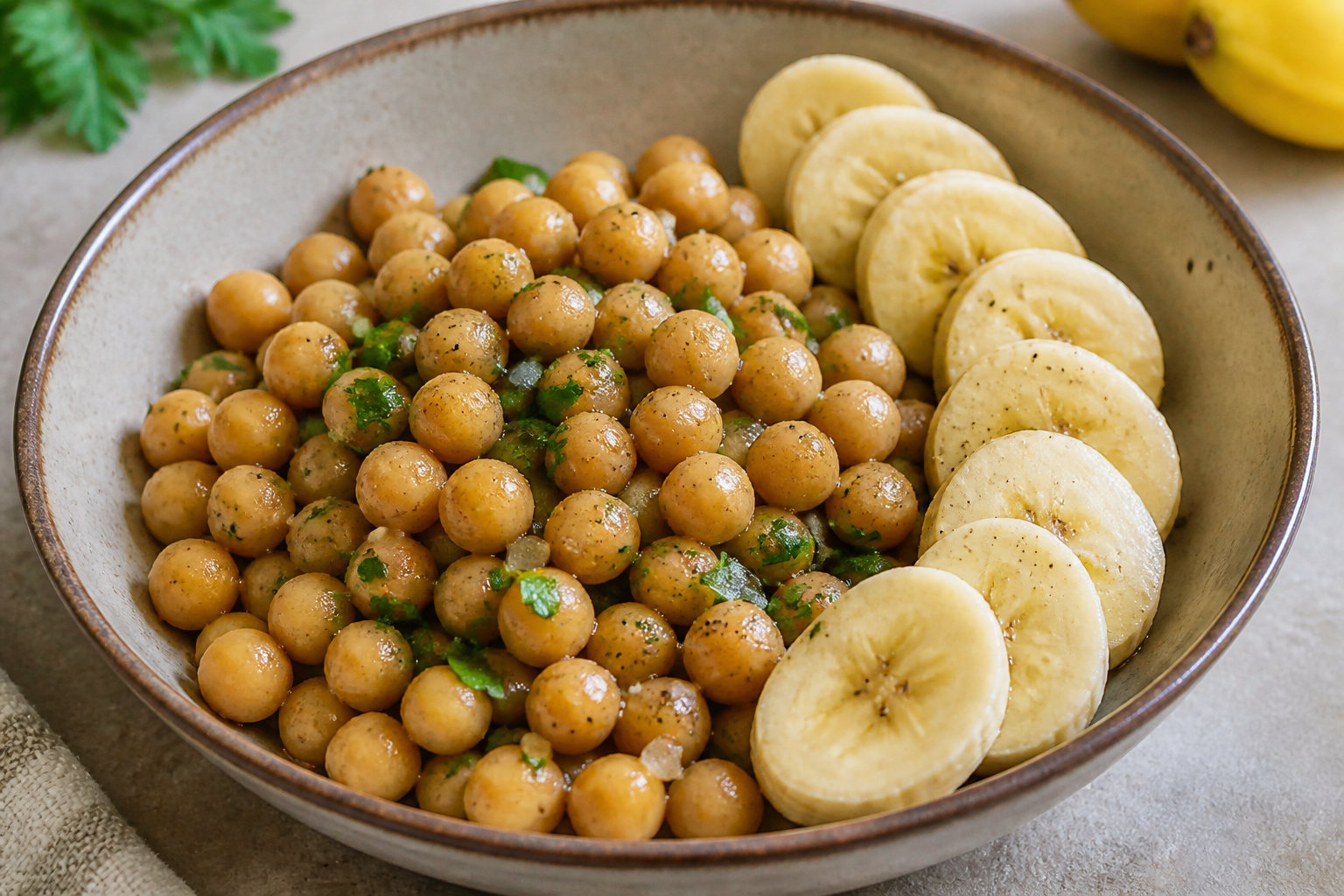
B6 is also linked to energy levels. A tired body cannot fight infections effectively. B6 ensures you have the metabolic energy to sustain a long defense, keeping your Top Vitamins and Minerals for Immunity working at their peak.
Zinc for Cellular Growth and Wound Healing
Transitioning from vitamins to minerals, Zinc stands out as the most critical element for rapid cellular division.
Zinc is essential for DNA synthesis. Immune cells must divide quickly during an infection. Zinc provides the blueprint and the tools for this growth.
This mineral plays a massive role in wound healing. It helps skin cells regenerate and close gaps. This prevents secondary infections from entering through damaged tissue or small cuts.
You can find it in oysters, red meat, and pumpkin seeds. Plant-based eaters need to be more mindful. Phytates in grains can block zinc absorption.
Watch out for excessive supplementation. Too much zinc can actually interfere with copper absorption. Balance is more important than high doses for long-term safety.
Have you heard of the "zinc lozenge" effect? Taking zinc at the very start of a cold might shorten its duration by about 33%. It works by preventing viruses from sticking to the throat and inhibiting their replication. It is a simple trick that many experts swear by.

Selenium for Reducing Oxidative Stress
While Zinc builds, Selenium acts as a specialized enzyme component to lower inflammation and oxidative damage.
Selenium is a trace mineral with massive impact. It is a key part of selenoproteins. These enzymes are the body's primary defense against oxidative damage.
Chronic inflammation weakens the immune response over time. Selenium helps keep the system focused on external threats rather than internal irritation. It effectively lowers inflammation by modulating prostaglandins.
Brazil nuts are the ultimate source. Just two nuts a day provide the full requirement. Overconsumption can be toxic, so be very careful with your daily intake.
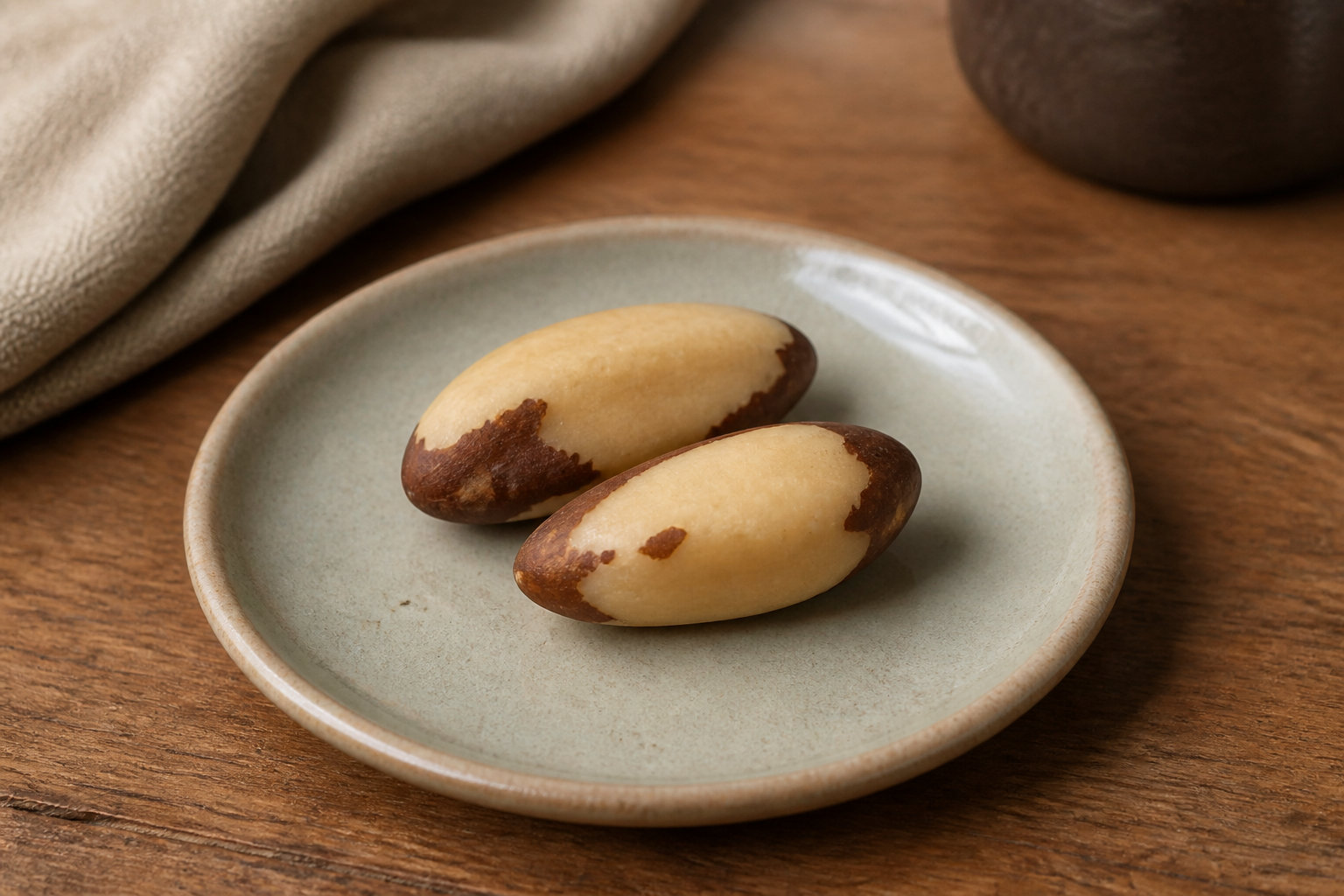
Low selenium levels may allow viruses to mutate more easily. Keeping levels steady helps stabilize the body's internal environment. This stability is a pillar of the Top Vitamins and Minerals for Immunity.
A healthy metabolism supports a healthy immune system. These two systems are deeply interconnected through this specific mineral. Selenium is vital for the thyroid, as it regulates the conversion of hormones that drive your metabolic rate. Without it, your defenses and energy levels simply stall.
Iron for Oxygen Transport and Energy
Energy is the currency of defense, and Iron is the mineral that ensures every immune cell is well-oxygenated.
Iron stays at the very core of hemoglobin. Its primary job is carrying oxygen to every tissue in your body. Your immune cells actually require this oxygen to perform energy-intensive tasks, especially when fighting a fever.
This mineral also plays a massive role in enzyme function. Many immune signaling molecules simply require iron to work properly. Without enough of it, your body becomes sluggish and painfully slow to respond to outside invaders.
You should know the difference between heme and non-heme iron. Heme iron from meat is absorbed much better by your system. Non-heme iron, found in spinach, needs a boost from Vitamin C to be effective.
Deficiency is a real danger, particularly for women. Anemia frequently leads to recurring infections. Believe it or not, this remains one of the most common nutrient gaps found across the entire globe.
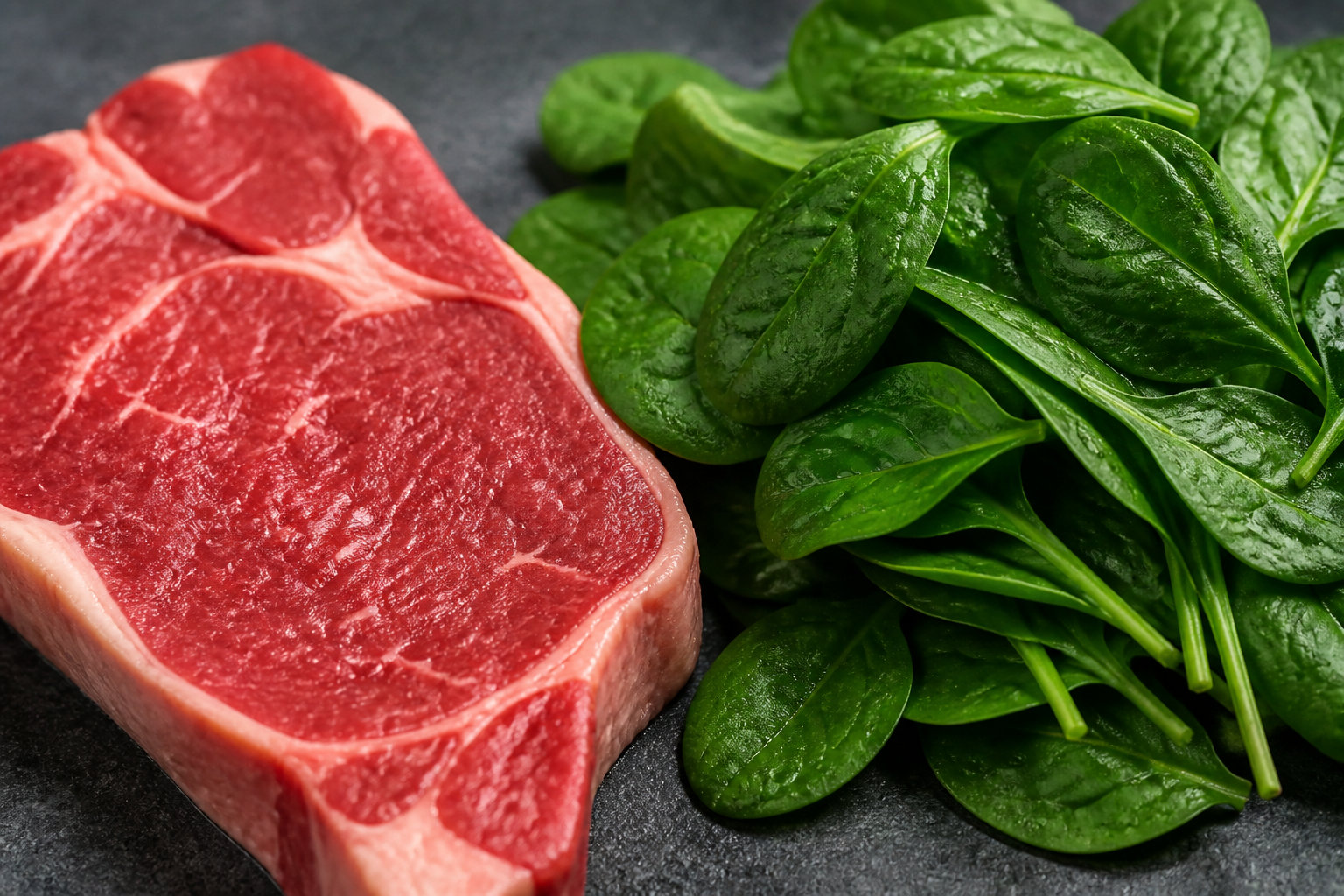
But here is the twist: pathogens also love iron. During an infection, your body strategically hides iron to starve bacteria. This delicate balance is exactly why you should never start an iron supplement without getting a proper blood test first. It is about precision, not just Top Vitamins and Minerals for Immunity.
Magnesium for Enzyme Activation and Stress Control
If iron provides oxygen, Magnesium provides the spark that activates thousands of biological switches for immunity.
Magnesium acts as a cofactor for over 300 enzymes. It is absolutely essential for the activation of Vitamin D. Without sufficient magnesium, your Vitamin D remains stored and effectively useless.
Stress management relies heavily on this mineral. High cortisol levels deplete magnesium reserves rapidly. Since chronic stress suppresses your immune defenses, magnesium serves as a vital protective buffer.
You can find it in dark chocolate, leafy greens, and legumes. However, modern soil depletion makes getting enough quite difficult. Many people now benefit from a high-quality supplement.
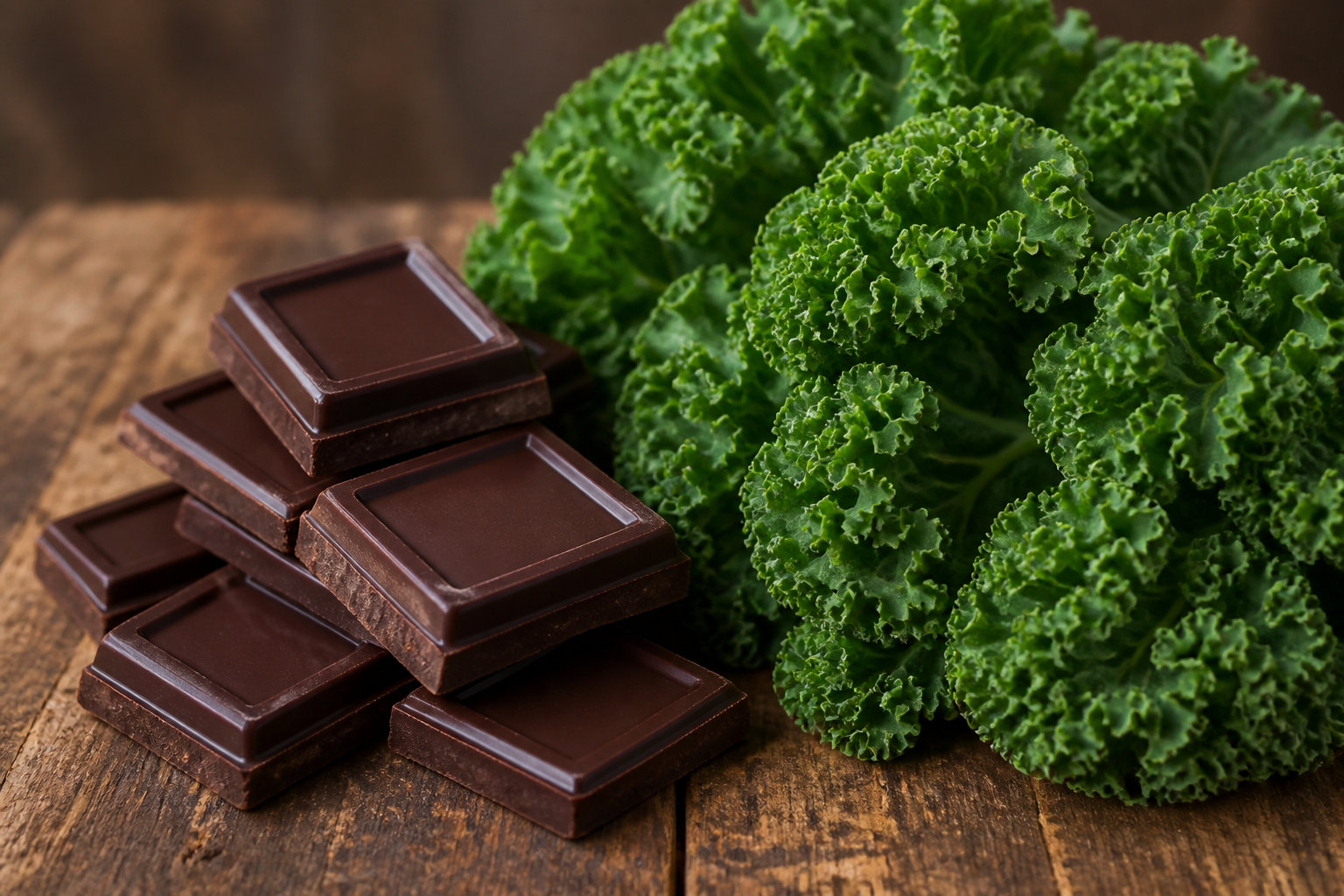
This mineral also dictates your sleep quality. Deep sleep is exactly when the immune system recharges. Magnesium promotes the relaxation and rest cycles required for full recovery.
Low magnesium is linked to chronic low-grade inflammation, often measured by elevated C-reactive protein. This persistent inflammatory state wears down the immune system's reserves over many years. Keeping your levels optimal ensures your body doesn't waste energy fighting internal "fires" instead of external threats.
Copper for Antimicrobial Defense and Tissue Health
Often overlooked, Copper works alongside zinc to maintain the structural integrity and antimicrobial power of the body.
Copper possesses natural antimicrobial properties. It actively helps immune cells destroy ingested microbes. Plus, it supports the production of essential white blood cells like neutrophils.
This mineral plays a vital role in connective tissue health. Strong tissues effectively prevent the spread of infection throughout the body. Copper helps link collagen and elastin fibers for maximum strength.
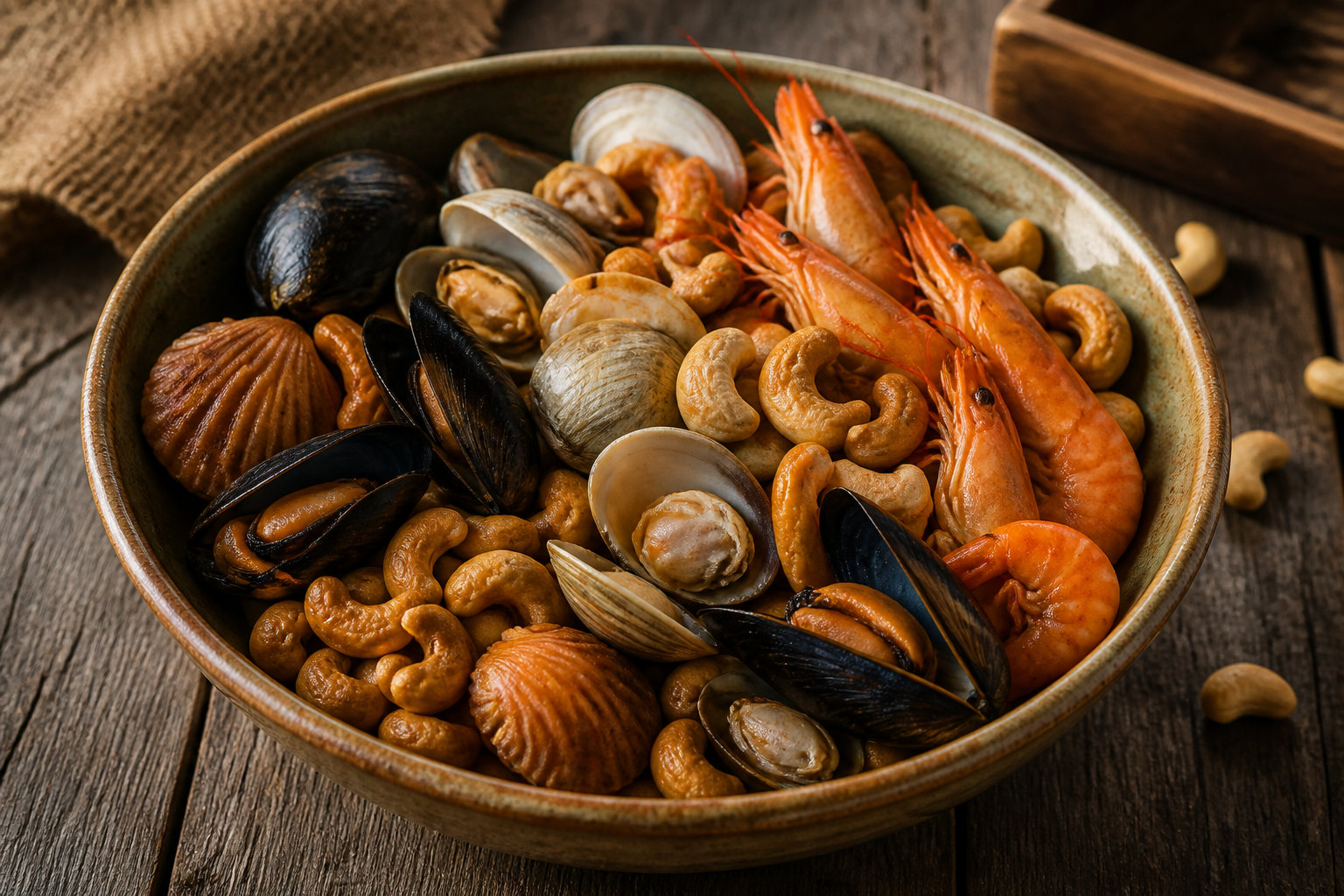
You can find it in organ meats, shellfish, and cashews. Most people get enough through a varied diet. It is rarely needed as a standalone supplement for healthy adults.
The zinc-copper balance is something you should watch closely. Taking too much of one often causes a deficiency in the other. They must be kept in a specific ratio.
Copper is also a key player in iron metabolism. It helps your body mobilize iron from storage sites. This ensures oxygen continues to flow to immune cells during periods of high demand. Without this synergy, your Top Vitamins and Minerals for Immunity simply cannot function at their full potential.
Why Nutrients Work Better When Taken Together
Understanding individual nutrients is useful, but the real magic happens through their complex interactions and synergies.
Synergistic Pairs for Enhanced Nutrient Absorption
The partnership between Vitamin D and Magnesium is vital. Magnesium effectively converts Vitamin D into its active form. Without enough Magnesium, even high doses of D remain ineffective.
Vitamin C and Iron share a powerful relationship. Vitamin C actively changes the chemical structure of plant-based iron. This transformation makes it much easier for your gut to absorb iron into the bloodstream. It is a simple way to boost levels.
Vitamin E and Selenium work as a team. Together, they provide a double layer of antioxidant protection for your cells.
Zinc is required for Vitamin A transport. It moves the vitamin from the liver to where it is needed.
Food Combinations to Maximize Bioavailability
Practical meal choices make a huge difference. Try adding fresh lemon juice to your spinach salad. You should also pair your steak with a side of colorful bell peppers for better results.
Healthy fats are necessary for specific nutrients. Vitamins A, D, E, and K need fat for proper absorption. Always add avocado or olive oil to your vegetable dishes to get the maximum benefit from your Top Vitamins and Minerals for Immunity.
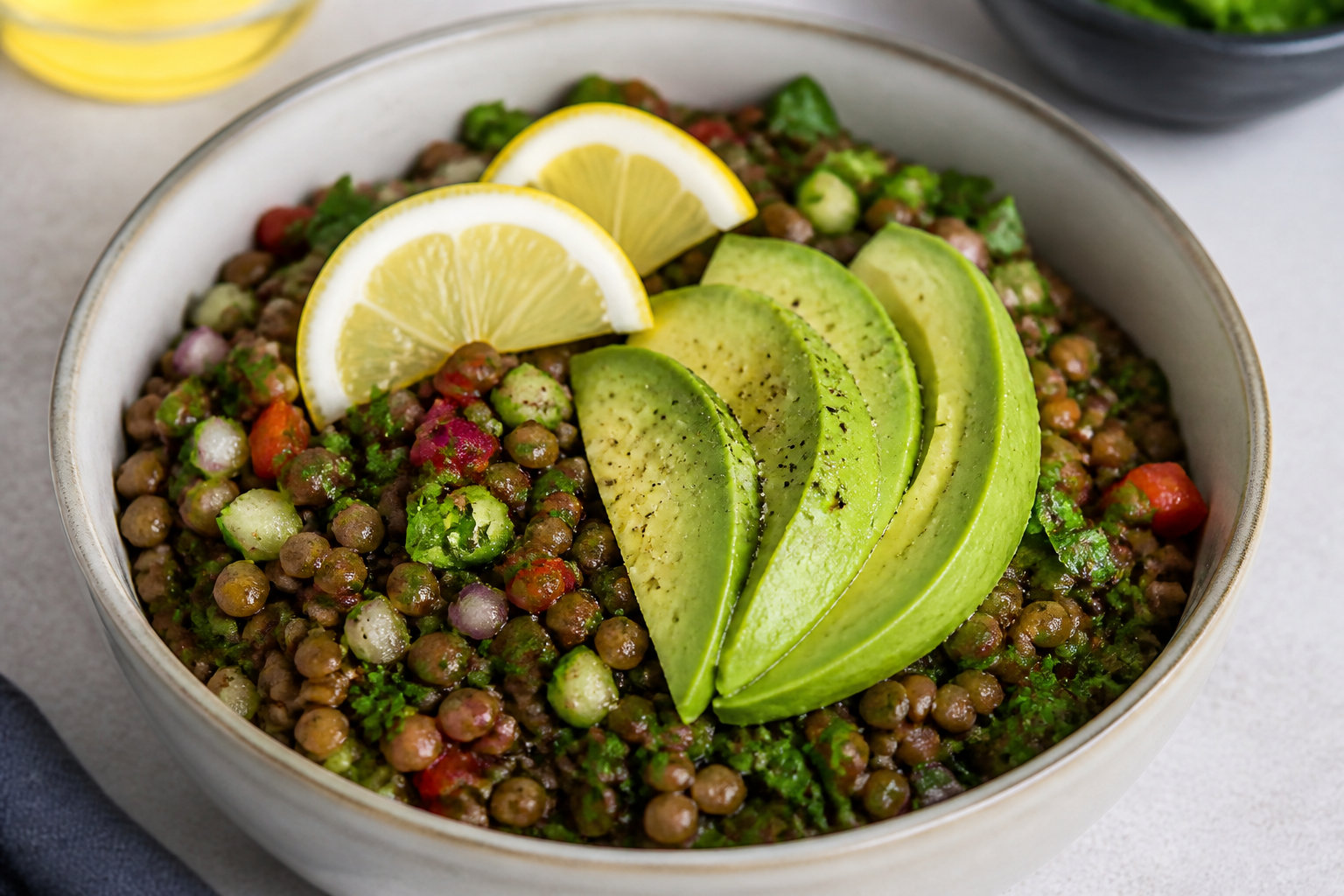
Avoid drinking tea or coffee during your meals. Tannins found in these drinks can block the absorption of minerals like iron and zinc.
Try these smart pairings at home:
- Avocado with carrots
- Citrus with lentils
- Brazil nuts with salads
- Fatty fish with greens
The Connection Between Gut Health and Immunity
Since most immune cells reside in the digestive tract, your gut health determines how well these nutrients are utilized.
Microbiome Health and Immune Cell Training
Trillions of bacteria train your immune cells every day. They teach the system to distinguish between friends and foes. A diverse microbiome leads to a smarter immune response.
Fermented foods like yogurt and sauerkraut provide essential probiotics. These microbes synthesize certain B vitamins directly in the gut. This adds an extra layer of nutritional support for your defenses.
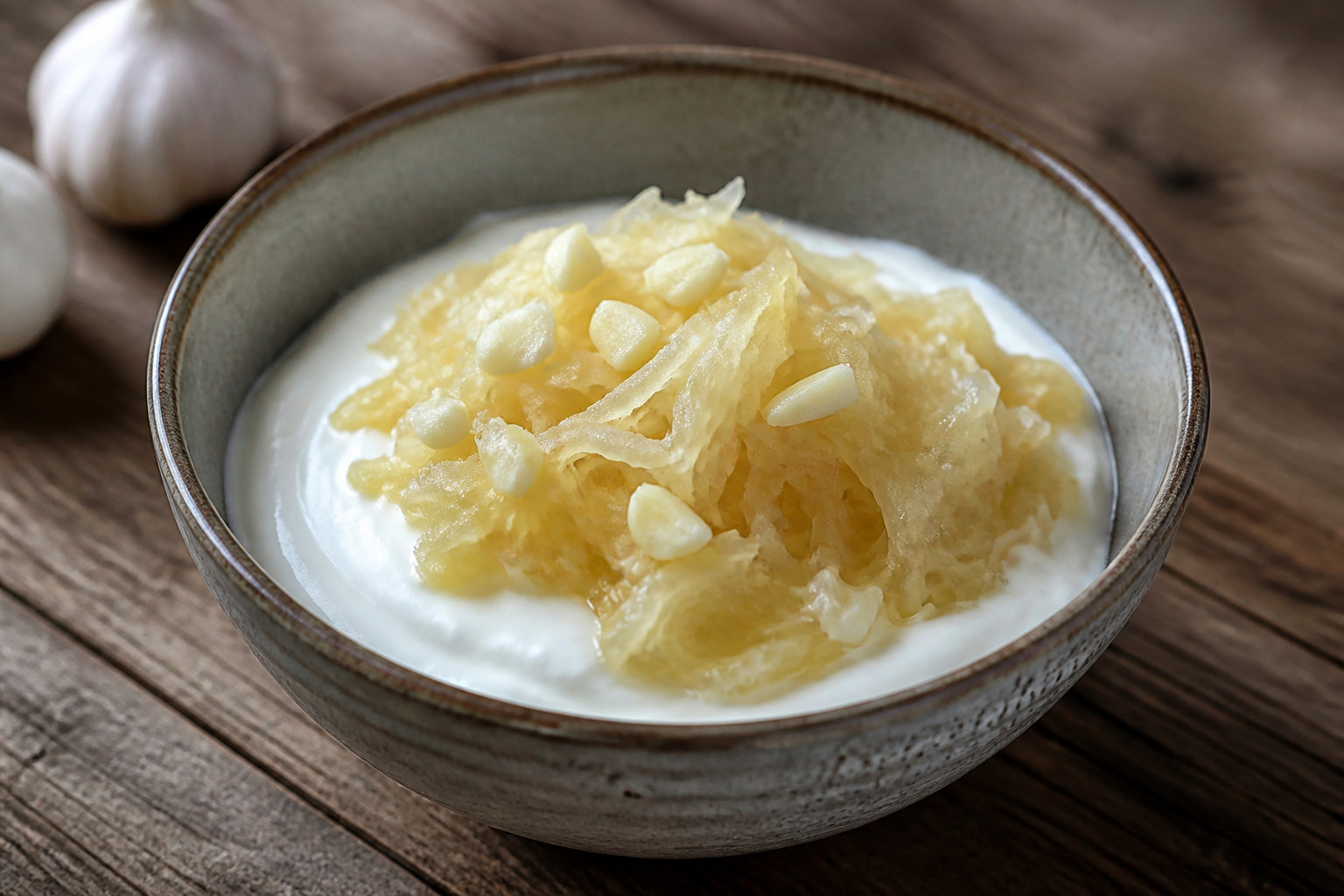
Fiber acts as the primary fuel for these beneficial bacteria. Prebiotics like garlic and onions are essential for maintaining a healthy colony.
Gut integrity is vital for nutrient uptake. A healthy lining ensures vitamins actually reach your circulation instead of passing through.
Hydration and Anti-Inflammatory Dietary Patterns
Water significantly impacts nutrient circulation throughout the body. Blood and lymph are mostly water. Dehydration slows down the transport of immune cells and vitamins.
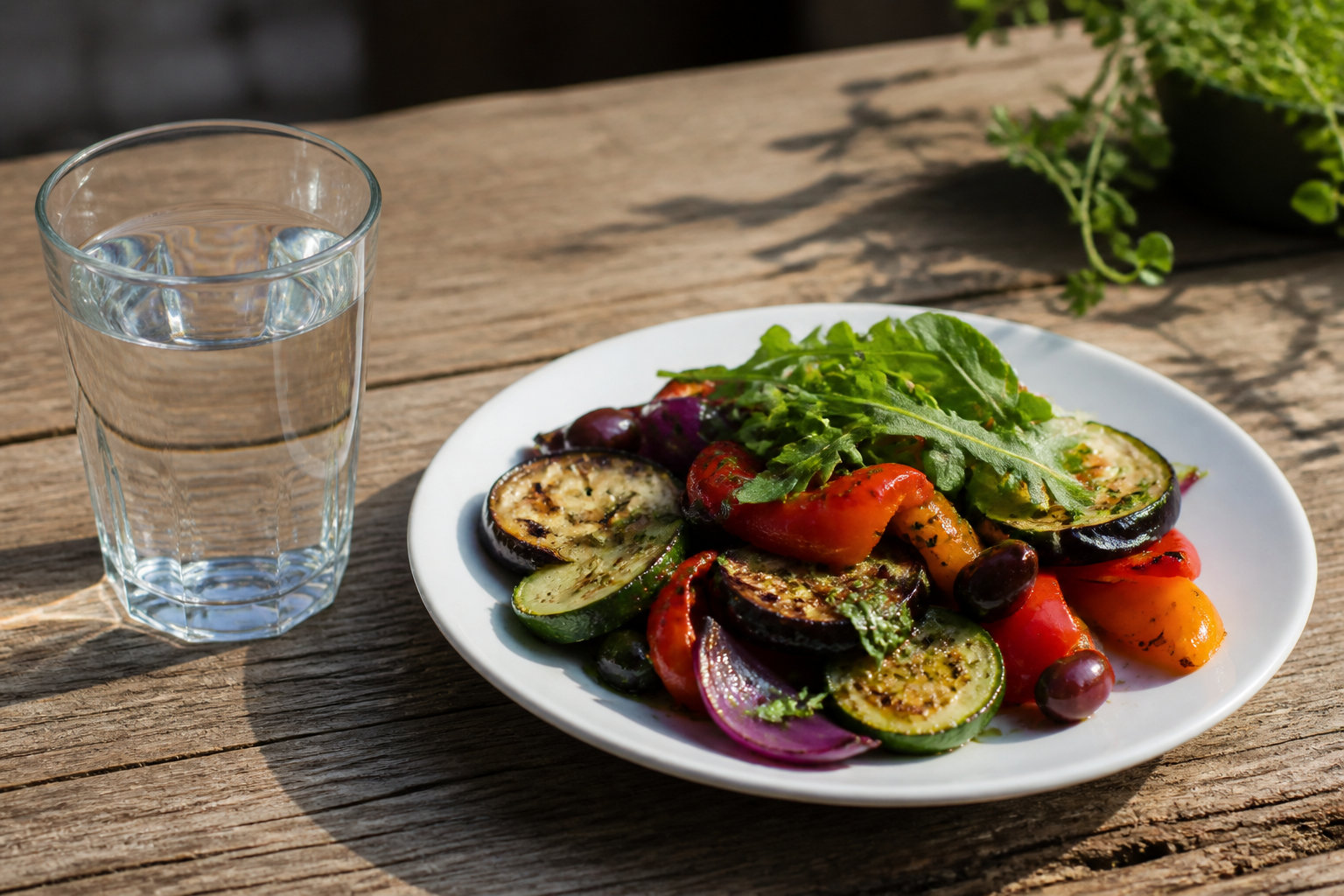
A Mediterranean-style diet offers massive benefits for your health. It is naturally high in antioxidants and healthy fats. This pattern lowers systemic inflammation, allowing the immune system to remain vigilant.
Avoiding ultra-processed foods is a smart move. High sugar intake can temporarily suppress white blood cell activity. This leaves you vulnerable when you need protection most.
An anti-inflammatory diet serves one main goal. It preserves your nutrient reserves for when you actually get sick.
Lifestyle Habits and Seasonal Protection Strategies
Diet is only one piece of the puzzle; your daily habits and the changing seasons dictate your actual nutrient needs.
Impact of Sleep and Stress on Nutrient Reserves
High cortisol levels actively deplete your internal micronutrient stores. Stress forces the body to consume Vitamin C and Magnesium at an accelerated rate. Chronic pressure leaves you nutritionally bankrupt.
Deep sleep serves a vital restorative function for your defenses. During rest, the body produces cytokines that help fight off infections. Lack of sleep reduces how effectively you use the vitamins you consume.
Simple habits can protect your reserves. Deep breathing or short walks help preserve your essential mineral levels throughout the day.
Sleep quality also influences Vitamin D efficiency. Consistent sleep patterns regulate the hormones that control your immune cell activity.
Seasonal Advice for Peak Cold and Flu Seasons
Winter health requires a proactive strategy. You should increase your intake of root vegetables and citrus fruits. Consider Vitamin D supplements if you live in a dark climate.
High-exposure environments like schools or offices demand extra caution. Boosting your Zinc and Vitamin C levels creates a proactive shield. These nutrients support the function of your immune cells.
Hot broths are excellent seasonal tools. They provide necessary hydration and offer minerals like sodium and potassium in an easily absorbable form.
Consistency always beats intensity during the cold months. It is better to eat well all winter than to mega-dose once you feel a tickle.
Supplements vs Whole Foods: Myths and Reality
Finally, we must address the big question: can you get everything from food, or do you need a cabinet full of pills?
Identifying Signs of Micronutrient Deficiency
Brittle nails, fatigue, and frequent colds are red flags. Your body uses these signs to signal a nutrient gap. Ignoring these physical symptoms can weaken your Top Vitamins and Minerals for Immunity levels.
Do not guess which supplement you need. A simple blood test can reveal exactly which vitamins or minerals are lacking in your system. Professional testing is the only way.
Taking the wrong supplement can mask other health issues. Professional guidance ensures you address the root cause of your symptoms. Self-diagnosis often leads to wasted money and unresolved fatigue or recurring seasonal illnesses.
Supplement Side Effects and High-Dose Risks
Vitamins A and D can build up to toxic levels. Unlike water-soluble vitamins, they are not easily excreted. Excessive accumulation in the body can lead to serious issues like hypercalcemia or blurred vision.
Some supplements can interfere with blood thinners or antibiotics. Always consult a pharmacist before starting a new regimen, especially with high doses. St. John's Wort, for instance, significantly alters how your body processes medication.
Excessive zinc can cause nausea and copper deficiency. Stick to the recommended daily allowance unless told otherwise. More is not better; it can actually disrupt your immune system's delicate balance and cellular repair.
The Timeline for Immune System Improvement
Clarify how long nutrients take to work. It is not an instant process. It takes weeks of consistent intake to build up cellular reserves. Your defenses require time to integrate these essential building blocks.

No pill can fix your immunity in one hour. Real resilience is built through long-term dietary habits and a balanced lifestyle. Myths about "instant boosts" ignore the reality of how our white blood cells function.
Focus on quality whole foods as your foundation. Use supplements only to fill specific, tested gaps for the best results. A sustainable approach ensures your Top Vitamins and Minerals for Immunity stay optimal year-round.
Strengthen your biological shield by combining Vitamin C, D, and Zinc to optimize white blood cell activity and mucosal barriers. Prioritize nutrient-dense whole foods today to prevent seasonal deficiencies before they weaken your defenses. Investing in these essential vitamins and minerals for immunity ensures a resilient, high-energy future.
FAQ
Which vitamins are most effective for strengthening my immune system?
To build a robust defense, focus on Vitamins A, C, D, E, and B6. These micronutrients work together to strengthen physical barriers like your skin, stimulate the production of white blood cells, and protect your body from oxidative stress during an infection.
Vitamin C is famous for supporting phagocytic cells that "eat" bacteria, while Vitamin D acts as a commanding officer to modulate your immune response, especially during the colder winter months when sunlight is scarce.
What are the best minerals to take for immunity?
Zinc, Selenium, Iron, Magnesium, and Copper are the heavy hitters in the mineral world. Zinc is vital for rapid cellular growth and wound healing, while Selenium helps lower inflammation by combating oxidative stress through specialized enzymes called selenoproteins.
Iron is equally crucial as it ensures your immune cells are well-oxygenated to perform their energy-intensive tasks. Magnesium plays a unique role by activating Vitamin D, making it a "spark" for your biological defense switches.
Can I get enough Vitamin D and Magnesium from my diet alone?
While you can find Vitamin D in fatty fish and eggs, and Magnesium in leafy greens and nuts, many people struggle to reach optimal levels through food alone. This is especially true for Vitamin D during winter or for Magnesium during periods of high stress, which depletes your reserves.
Since Magnesium is a necessary cofactor to convert Vitamin D into its active form, a combined approach of a varied diet and professional-grade supplementation is often recommended to ensure these nutrients work in harmony.
How does Vitamin C help with iron absorption?
Vitamin C significantly boosts the absorption of non-heme iron, which is the type of iron found in plant-based foods like spinach and lentils. It chemically transforms the iron into a form that is much easier for your gut to absorb into the bloodstream.
To maximize this synergy, try pairing citrus fruits or bell peppers with your plant-based meals. This simple habit helps prevent iron deficiency, which is a common cause of frequent infections and fatigue.
Is there a risk in taking too much Zinc or Copper?
Yes, balance is more important than high doses when it comes to these two minerals. Taking excessive amounts of Zinc can interfere with Copper absorption, potentially leading to a deficiency that weakens your antimicrobial defenses.
Maintaining a proper copper-to-zinc ratio is essential for long-term health. It is always best to consult a healthcare professional for a blood test before starting high-dose supplements to avoid disrupting this delicate biological equilibrium.
How long does it take for vitamins to boost my immune system?
Building immune resilience is not an instant process; it takes several weeks of consistent nutrient intake to build up your cellular reserves. There are no "instant boost" pills that can fix your immunity in an hour.
Real protection is built through long-term dietary habits, quality sleep, and stress management. Focus on a foundation of whole foods and use supplements only to fill specific, tested gaps for the most effective results.